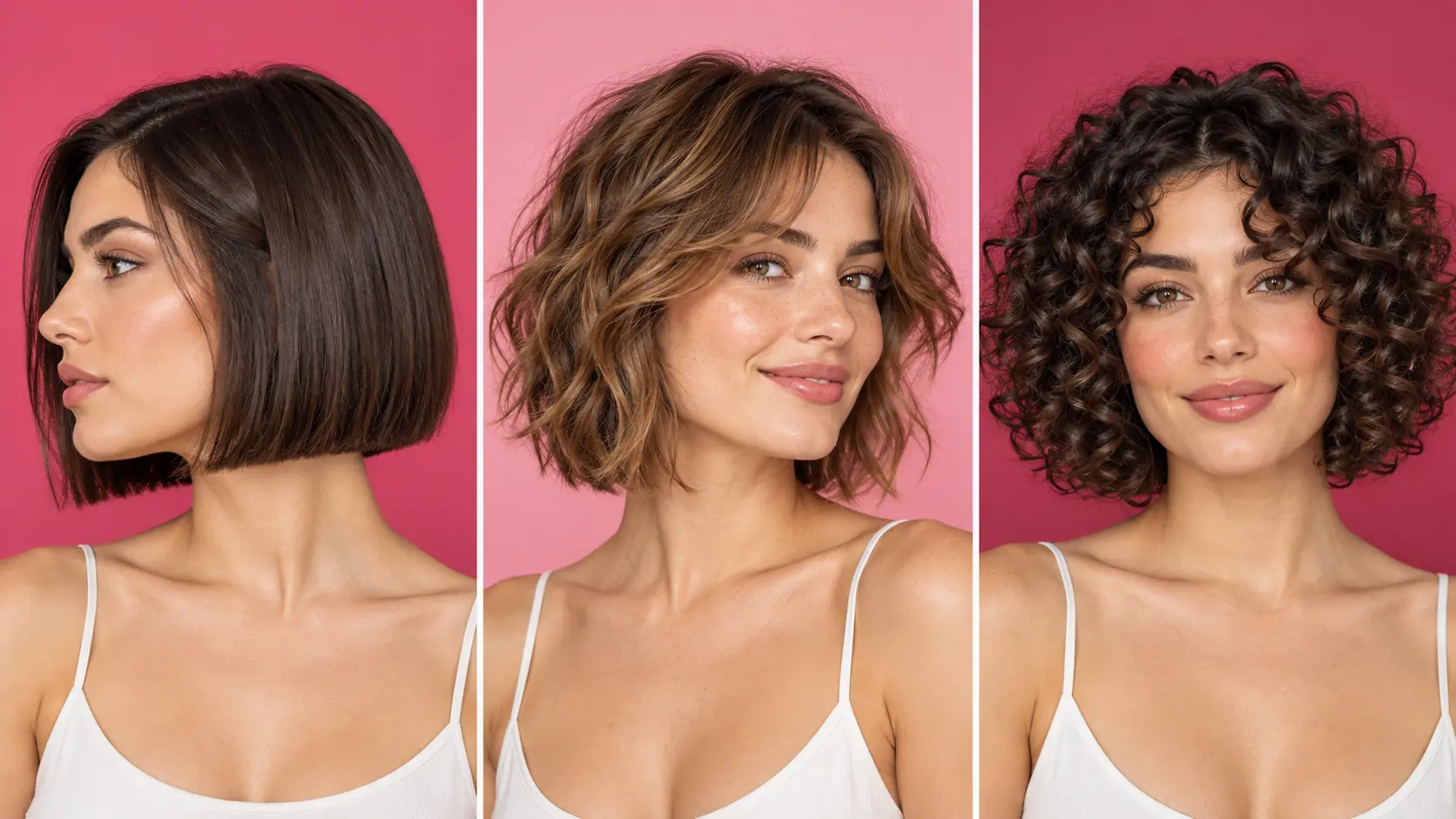
20 Haircuts for Women by Hair Pattern: Find Your Perfect Cut
You save a photo of a cut you love, bring it to your stylist, and leave with something that looks nothing like it. The cut was never the problem. The hair pattern was.
A blunt bob that sits sharp on straight hair can turn into a triangle on curls. A shag that looks soft and tousled on waves can look thin on fine straight strands. Same name, very different result, because every hair pattern bends, shrinks, and stacks in its own way.
That is why this list of haircuts for women by hair pattern starts with texture, not trends. You will find cuts for straight, wavy, curly, and coily hair, plus one for mixed textures and one for hair that is changing. Each one comes with a quick visual and, where it helps, the exact words to say in the chair.
Skip the photo roulette. Find your pattern first, then pick the cut that works with it.
1. The Jaw Length Blunt Bob for Thick Straight Hair
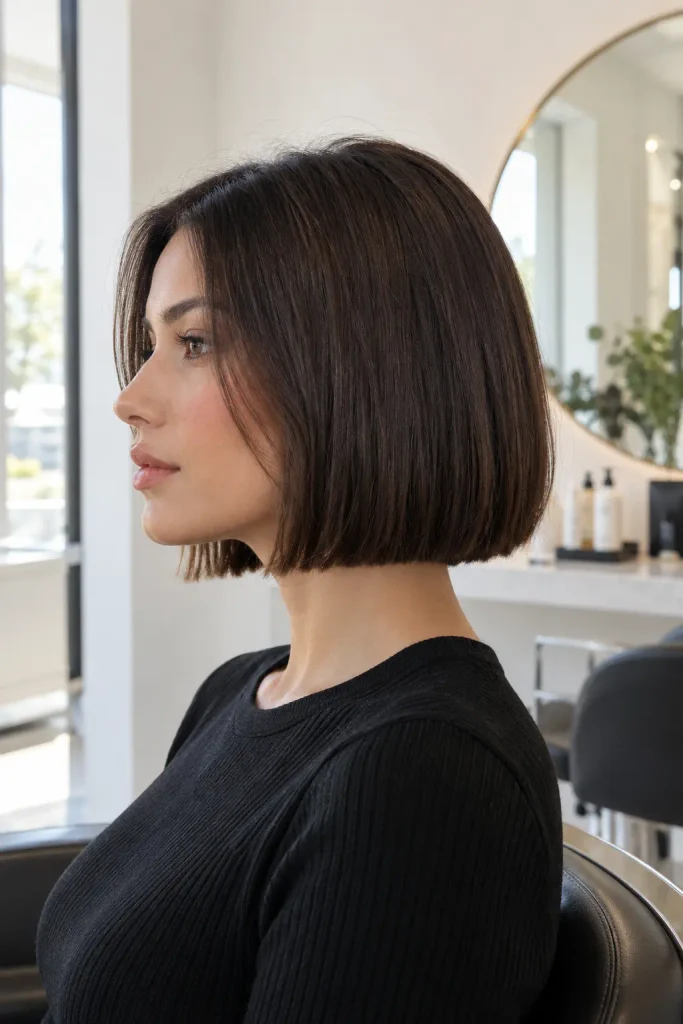
Thick straight hair tends to swell at the ends once it grows past the shoulders, and all that weight just sits there.
A blunt bob cut right at the jaw takes the bulk off the hem and lets the hair fall in one clean line. Straight hair has no curl to hide a wobbly edge, so the line needs to be sharp. That crisp edge is the whole look.
Ask your stylist for:
- A straight hem with no thinning shears at the ends
- Length that lands at the jawbone, not below it
- A light trim inside only if the sides flare out
Best for anyone who blow dries once and wants to be done.
2. Long Layers Cut Only Below the Chin for Fine Straight Hair
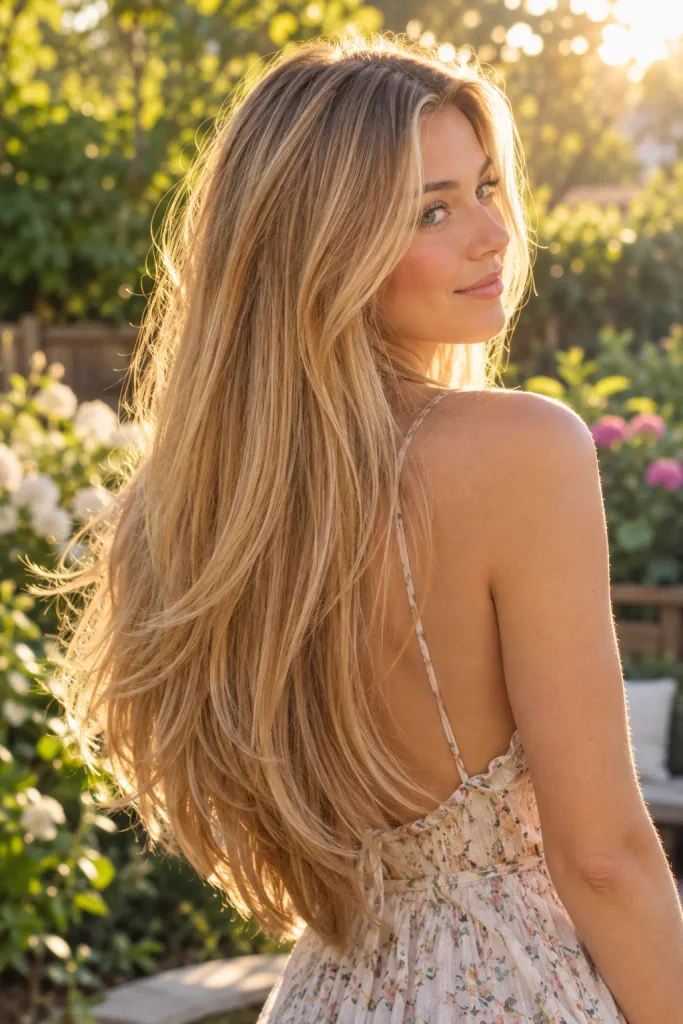
Most people with fine straight hair ask for layers and walk out with see through ends. The layers started too high, so the shortest pieces took density from the bottom, where there was little to begin with.
Keep every layer below the chin instead. The front still frames the face and the back stays full enough to hold a clean line.
What to say:
- Long, soft layers that start at the chin or lower
- No razor texturizing at the ends
- Cut it dry, so the real thickness shows
Length stays, fullness stays, flatness goes.
💡 Quick Tip
Part your hair in two or three different places before the first snip. Fine hair often has thin pockets, and a quick check shows your stylist where to leave extra length.
3. Curtain Bangs That Part Cleanly on Straight Hair

Straight hair never forgets where you parted it.
Without a curl pattern to push things around, curtain bangs fall exactly where you comb them. That is great when your part is steady and annoying when it changes every day. Settle the part before you book, and tell your stylist which side or center you wear most.
Before the appointment:
- Wear your usual part for a full week
- Take a photo of how the front falls when air dried
- Show your stylist any cowlick at the hairline
A strong cowlick can push the bangs sideways, so ask whether it can be worked with before you commit.
Pick the part first, then cut the bangs to match it. Never the other way around.
4. The One Length Cut With a Blunt Hem for Glossy Long Hair
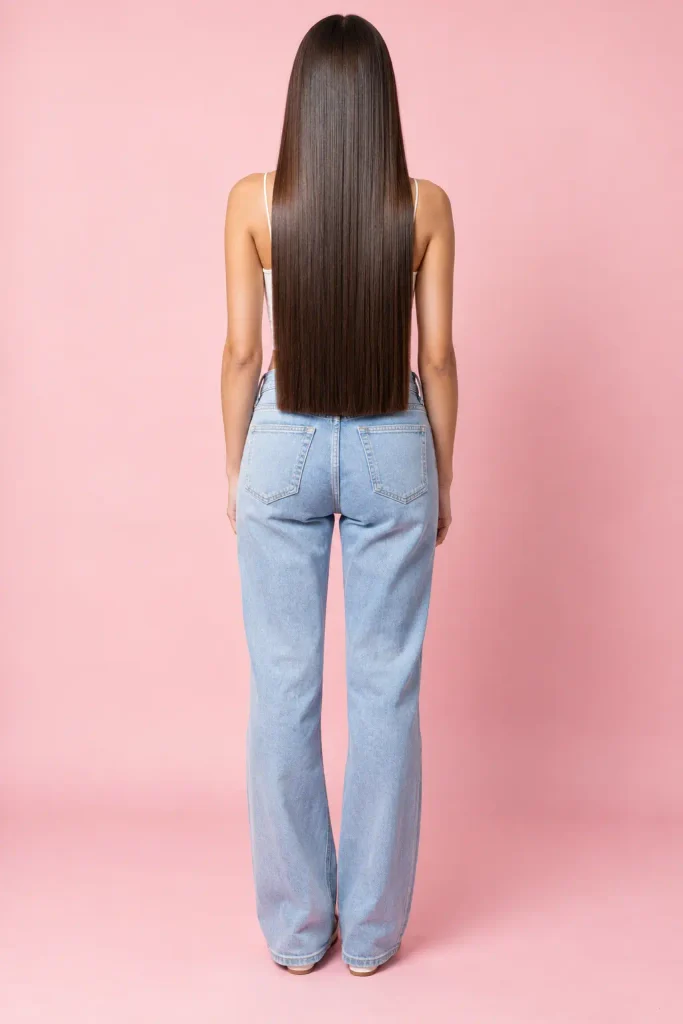
A blunt hem looks like a ruler line drawn across the ends of long hair. When it is crisp, straight hair reads as thick and glossy.
The catch is that one length cuts show every split end and every uneven snip. The style is simple, but the ends need regular care. Think of it as a small job done often, not a big job done late.
Here is how to ask for it:
Tell your stylist the length you want to keep and how much you can lose.
Ask for the hair to be combed flat and cut in small sections, so the line stays even.
Have them check the hem again once your hair is dry.
Dust the ends before they fray, because a blunt line only looks good while it stays blunt.
5. Shaggy Layers That Make Loose Waves Look Intentional

You wake up, the waves have gone three different directions, and one side looks like it belongs to someone else.
Loose waves often form at different strengths across one head. Shaggy layers use that uneven pattern instead of fighting it. The shortest layers sit near the crown for lift, mid layers shape the sides, and the ends stay long enough to wave.
Words to use at the salon:
- A shag with long layers, not short choppy ones
- Cut with my waves in their natural state
A little curl cream scrunched in while damp is usually enough to keep the shape.
6. A Collarbone Lob That Leaves Room for Waves to Bend
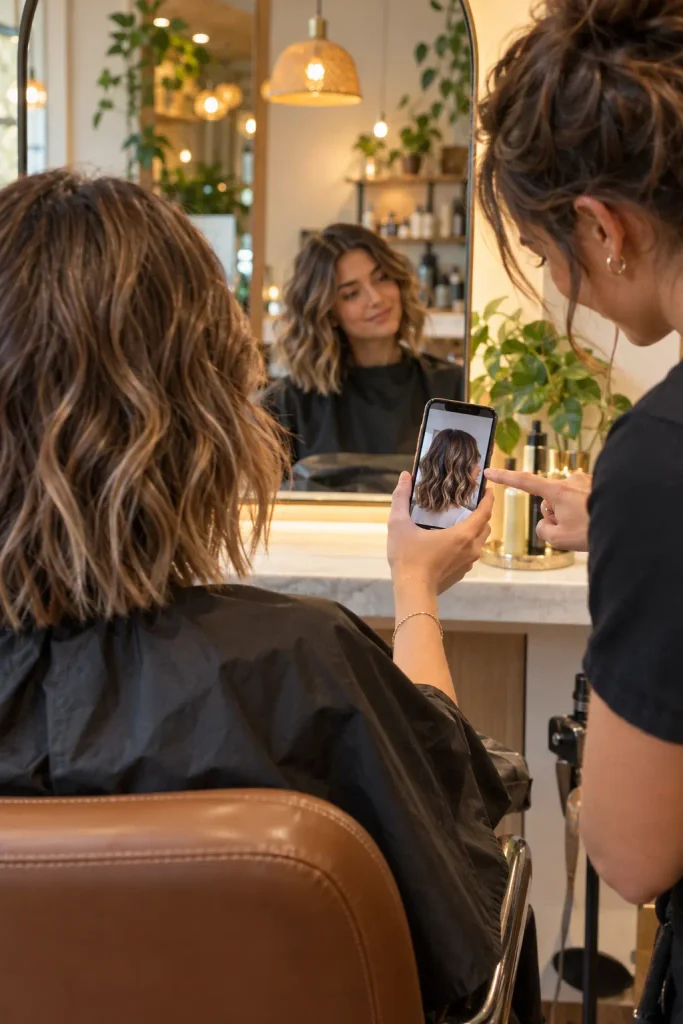
A lob that stops at the collarbone gives waves room to move without letting them pile up on the shoulders.
Hair that hits the shoulder tends to flick outward and break the wave pattern, so the collarbone is a safer stopping point. Waves also pull up a little as they dry. A cut that looks right wet can end up shorter and bouncier, so ask for slightly more length than you think you want.
Bring these to your appointment:
What to bring to the appointment
7. A Textured Crop for Waves That Puff Up in Humid Weather
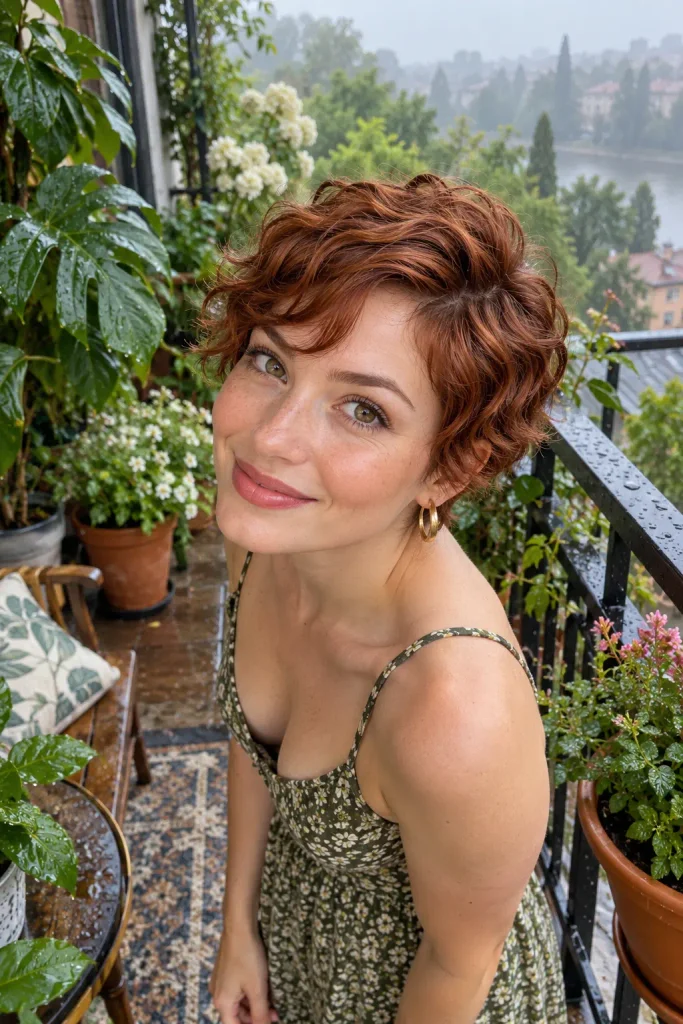
Short hair is not automatically easier in damp weather. Wavy hair cut into a plain, even crop can swell outward and lose its shape by lunch.
A textured crop works better because the layers sit at different lengths. Each wave gets its own space to clump instead of puffing into one big cloud.
Say this in the chair:
- Point cut the layers for texture
- Leave enough length on top for the waves to curl, since very short waves can straighten out
- Keep the nape tidy so the outline holds as it grows
A light gel on damp hair helps the clumps stay in place.
An even crop, all one length. The waves swell outward, the sides flare, and the shape is gone by midday.
A textured crop with varied layers. The waves clump in groups and the outline stays neat.
8. Soft U Shaped Back Layers for Waves That Stack Awkwardly

Waves in the back tend to stack like shelves, one bend sitting right on top of the next.
When the back is cut in a V, the longest hair sits at a point in the middle and the pieces beside it ride up. A soft U curve keeps the length even across the back. The waves stack in a smoother line, and the sides stop looking shorter than the center.
Ask for the curve to be cut after your hair has been shaken out and is sitting naturally. Here is how the two shapes compare:
| U shaped back | V shaped back |
|---|---|
| Hair falls to a similar length across the whole back. | The longest hair sits at a point in the center. |
| Waves stack in a smooth line. | Waves can stack unevenly and the sides look shorter. |
| Best for waves that grow well past the shoulders. | Best for very loose waves that almost look straight. |
Already have a V? A small trim across the back can soften it.
9. The Rounded Curly Bob Cut Dry, Curl by Curl
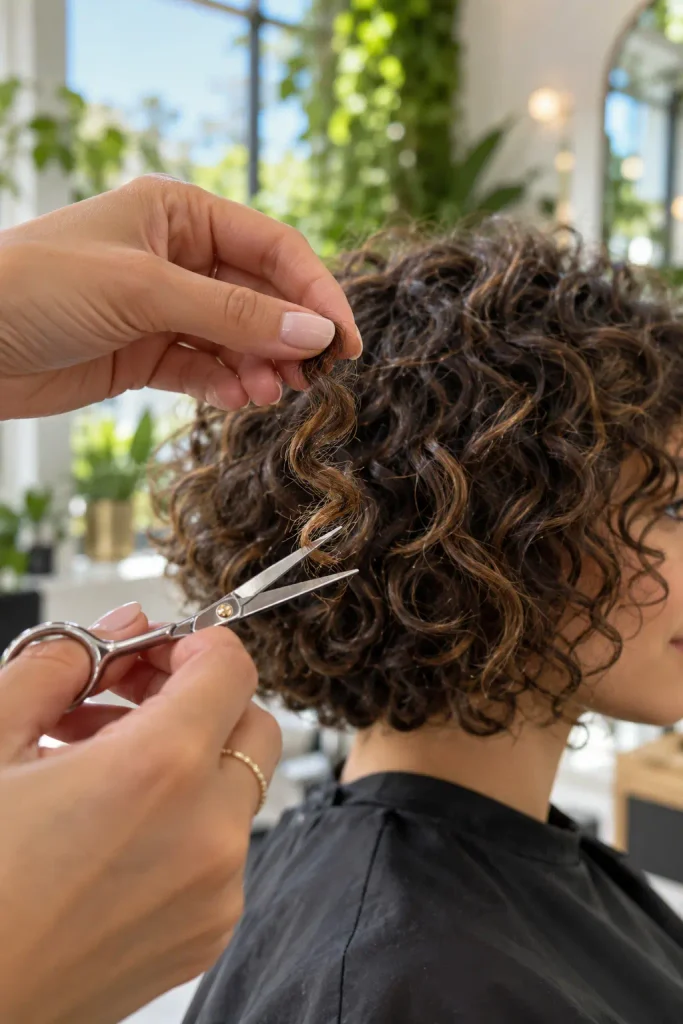
Wet curls lie about their length.
Water and weight pull them straight, and they can spring up much shorter once dry. A rounded bob cut on dry curls lets your stylist see where each one actually lands and shape the curve from there.
What to ask for:
- A dry cut on defined curls
- Each curl trimmed on its own, not combed out flat
- A rounded outline that follows the jaw
Cut on dry, defined curls.
Trim one curl at a time, right where it falls.
Combing curls straight before the cut.
Cutting wet and guessing how far they will spring up.
Book a stylist who lists curly cutting in their services, since this method takes practice.
10. A Curly Shag With Longer Layers on Top for Volume

Curls with no layers tend to grow into a triangle, narrow on top and wide at the bottom.
A curly shag fixes that by moving the shorter pieces up top. Longer layers around the crown add lift, while the sides and back keep their length so the curls still stack and spring.
⚠️ Watch Out
Too many short layers can leave curls sticking out in every direction and thin the ends. Layers cannot be glued back on, so ask your stylist to start long and add shorter ones at the next visit if you want more lift.
11. Long Curls With U Shaped Layers So Sides Stop Puffing Out

Long curls are often cut in one straight line across the bottom, and the sides pay for it. The weight sits low, the top stays flat, and the hair spreads wide at the edges.
A U shaped cut curves the length around the back, so the curls fall in an even line instead of a hard edge. Soft layers through the sides then take out bulk without costing you length.
Ask for:
- A U shaped line across the back
- Layers that start below the cheekbones
- Cutting on dry curls, so each one is shaped where it lands
Best for anyone who wants to keep the length and lose the width.
12. Curly Bangs Cut Long and Left Alone

Cut curly bangs longer than you want them, then leave them alone for a week.
Curls spring up as they dry, and bangs sit right at the front where every inch shows. A cut that looks right on a wet forehead can land well above the brow once it dries. Starting long gives you room to adjust, because length can always come off later but never goes back on.
Here is how to get there:
Arrive with your curls dry and styled the way you normally wear them.
Ask your stylist to cut a few curls at a time, starting below the length you want.
Wear them for a few days, then book a quick touch up if they need to go shorter.
Trimming them yourself at home is how most bang regrets begin.
13. A Tapered Curly Pixie With a Clean Nape
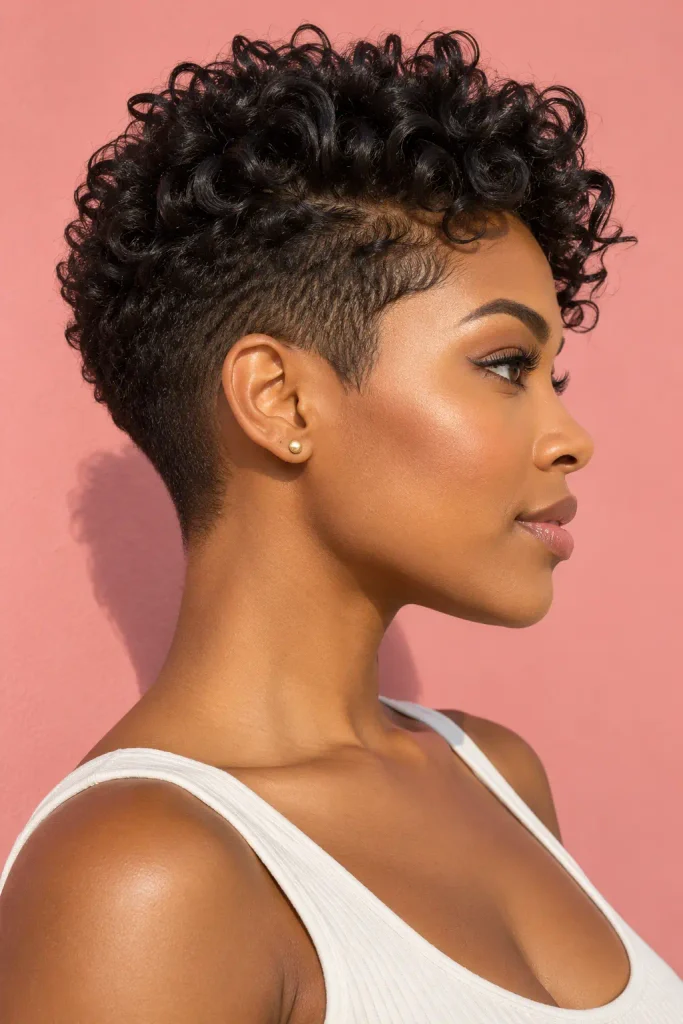
Short curls look best when the top has room to spiral and the edges stay out of the way.
A tapered pixie leaves the length on top and cuts the sides and back shorter, so the curls get all the attention. The shorter edges also keep the outline neat as it grows in. Leave enough length up top for the curls to coil, because hair cut too short can lose its spring.
Say this in the chair:
- Keep the top long enough to curl
- Taper the sides and back
- Clean up the nape and around the ears
Short cuts need more frequent visits, so plan on regular touch ups.
14. The Teeny Weeny Afro for Tight Coils
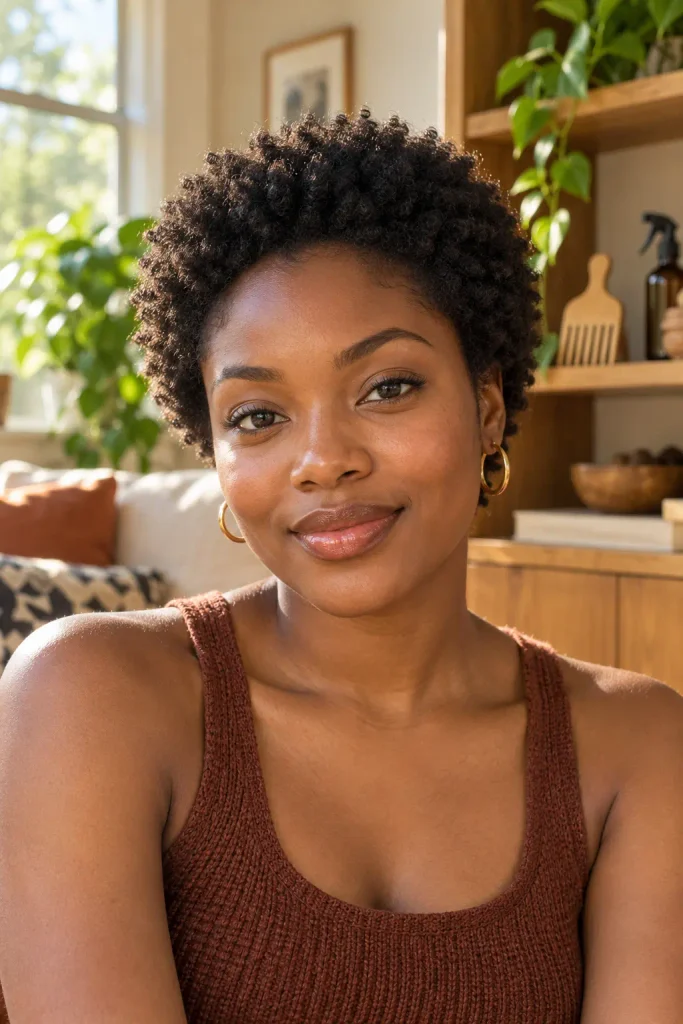
Nothing about this cut is complicated, which is exactly why it works.
The teeny weeny afro, often called a TWA, is a very short, rounded cut with the same length all over. On tight coils it shows off the natural pattern without any styling tricks. Your stylist shapes it into an even round, so ask for the shape to be checked from the front and both sides.
Between visits, the routine matters more than the tools. Keep the hair moisturized, handle it gently, and protect it at night.
Keep these on hand
15. Shoulder Length Rounded Layers for Coily Hair That Shrinks
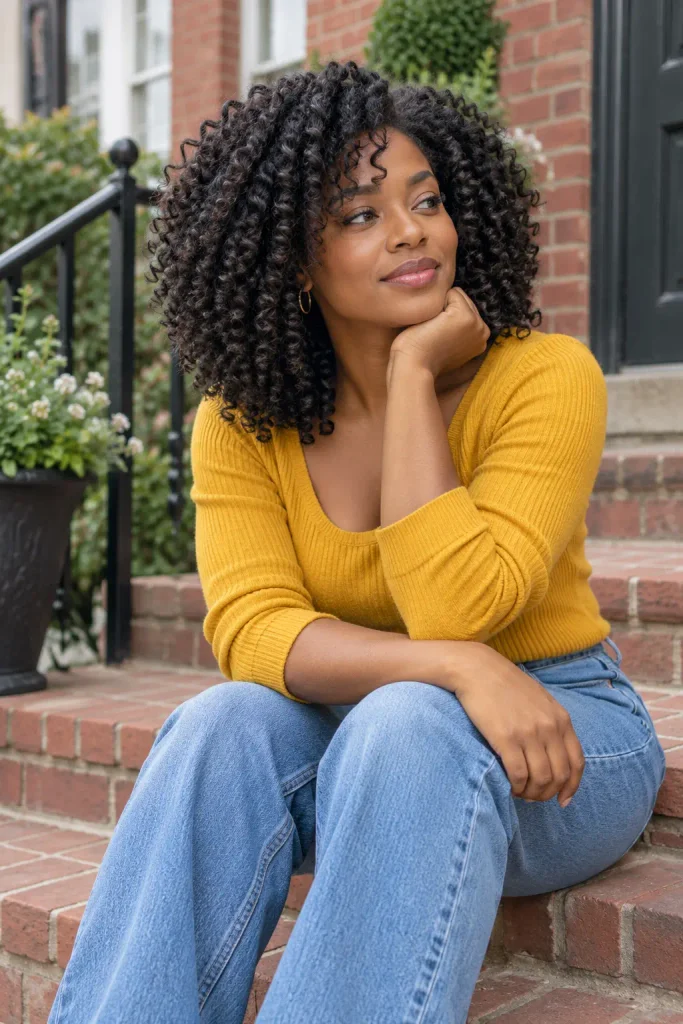
Shrinkage does not mean your hair is short or not growing.
Coily hair can look far shorter than its stretched length once the coils spring back. That is why a cut made on stretched hair can look shorter, and sometimes lopsided, after it dries. Ask your stylist to cut the hair the way you usually wear it, or to leave extra length when cutting it stretched.
What to ask for:
- Rounded layers that follow the curve of your head
- Sections cut one at a time to keep the shape even
- Extra length to allow for shrinkage
A cut made on stretched hair. Once the coils spring back, the length lands higher than expected and one side sits shorter.
Rounded layers cut in small sections with shrinkage in mind. The shape stays even whether the hair is stretched or springy.
16. A Chin Length Blowout Bob for Coily Hair Worn Stretched

Coily hair has two looks, and a bob can show off either one.
Worn stretched, the hair falls smooth and lands at the chin. Worn with coils defined, it springs up shorter and rounder. Tell your stylist which look you wear most and have the cut shaped for it.
If you choose the stretched version:
- Ask for the cut to be checked after the blowout, not before
- Use a heat protectant every time
- Keep blowouts occasional, since repeated heat can loosen your coil pattern
| Worn stretched | Worn coil defined |
|---|---|
| Hair falls close to the chin. | Hair springs up and sits higher. |
| Needs heat or a stretching method. | Needs moisture and a defining product. |
| Edges look sleek and smooth. | Edges look full and rounded. |
Pick one as your everyday look and treat the other as a change of pace.
17. Long Coily Layers That Remove Bulk at the Crown

Coily hair grows up before it grows down, so the crown is where the weight piles up.
Without layers, the top can sit tall and heavy while the lengths below lie flat. Long layers through the crown release that pile up and let the hair settle into a rounded shape. The layers stay long enough to keep your length and your coil pattern intact.
Tell your stylist you want to remove weight, not inches, and ask for the layers to be cut on dry hair so the real shape shows.
Keep the length, lose the weight. Layers should take away bulk, not inches.
18. A Cut That Grows Out Evenly Between Twists and Braids
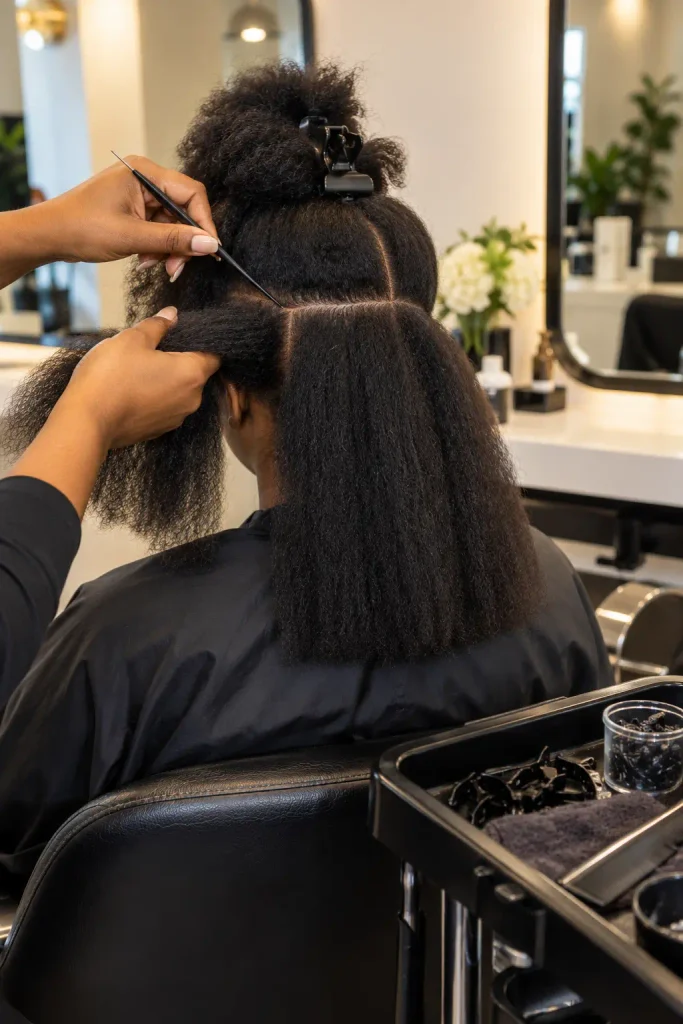
Whatever shape your hair is in on install day is the shape you live with for weeks.
Twists and braids hold your ends in place, so a ragged edge or a patch of short layers stays hidden until takedown, and then it all shows at once. A light, even trim beforehand gives the style a clean base and keeps the regrowth looking tidy.
Before you book the install:
- Ask for a trim that keeps the length even
- Leave heavy shaping for after the style comes out
- Mention how long you plan to wear it
⚠️ Watch Out
Very short layers slip out of twists and braids and are hard to tuck back in. If you have fresh layers, plan on a style with larger sections, or wait until your hair has grown a bit.
19. Different Textures on One Head? Cut in Sections
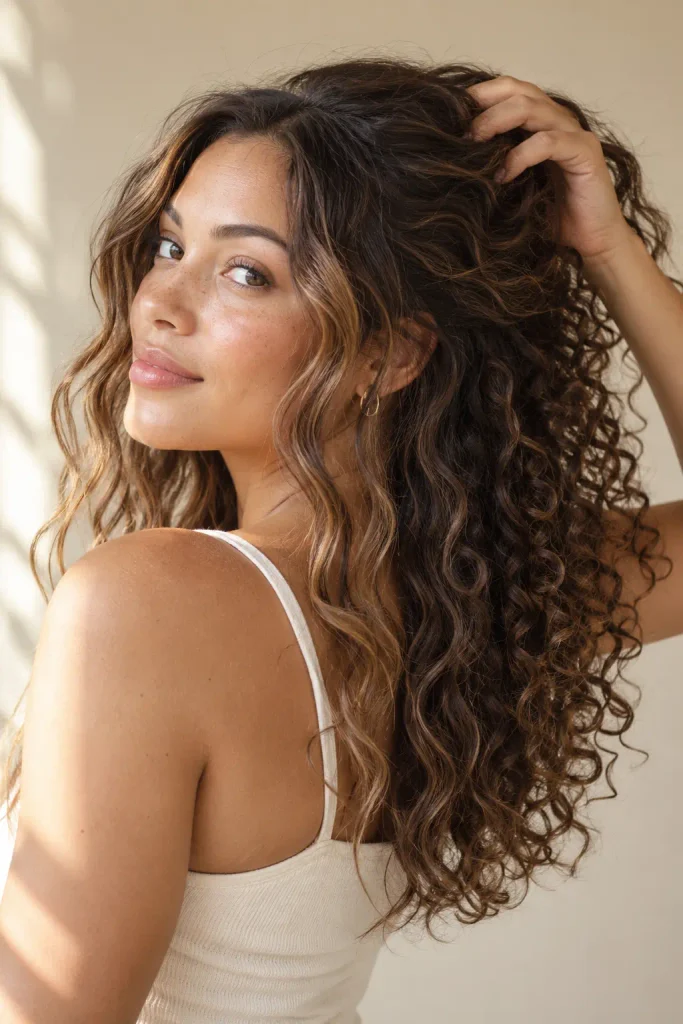
Run your hand from the hairline to the nape and notice how often the feel changes.
Plenty of people have looser waves at the front and tighter curls at the back, or fine hair around the face and thicker hair underneath. One method used on the whole head can leave some parts too short and others too heavy. Ask your stylist to look at each section on its own and cut it the way that section behaves.
Cutting dry helps a lot here, because you can see what each patch does before a single snip.
20. The Cut to Ask For When Your Texture Is Changing
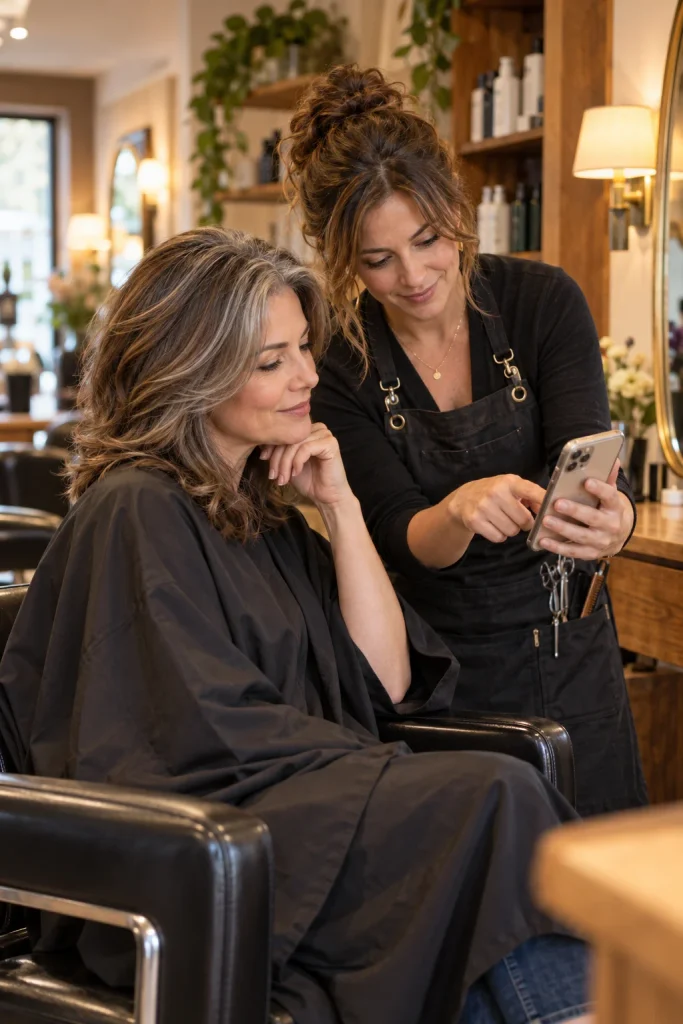
A changing texture does not mean you need a brand new cut.
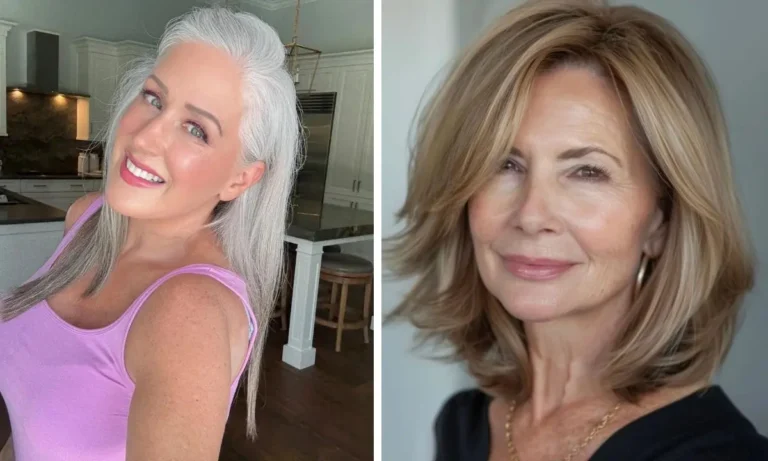
Hair can shift with age, hormone changes, or new gray strands, and it often shows first in one patch. A flexible cut with long, soft layers and no hard lines works while you find out where the new pattern settles. Drastic changes can wait until the texture has had time to show itself.
Bring these questions to your next visit:
Questions to ask your stylist
Go in with a photo of how your hair looks now, so you can compare it at the next appointment.
Pick Your Haircuts for Women by Hair Pattern, Then Book
The best cut is the one built around how your hair actually behaves. Straight hair needs a clean line, waves need room to bend, curls need to be shaped where they spring, and coils need extra length for shrinkage. Mixed or changing textures need a stylist who looks at each section on its own.
Next time you search for haircuts for women by hair pattern, start with your texture and let the photos come second. Bring a picture of your hair as it is today, use the words from this list, and ask questions in the chair.
Name your hair pattern first, then pick the cut. A great photo on the wrong texture is only a guess.
FAQs About Haircuts for Women by Hair Pattern
How do I know my hair pattern?
Wash your hair, skip the heat and products, and let it air dry. Straight hair has no bend. Wavy hair forms loose S shapes. Curly hair forms spirals or ringlets. Coily hair forms tight coils or zigzags. Many people have more than one pattern on the same head, so check the front, sides, and back separately.
Can I get a cut meant for a different hair pattern?
Sometimes, but it usually needs changes. A blunt bob on straight hair is a sharp line, while the same bob on curls needs rounding and dry cutting. Show your stylist the photo, then ask how it would change for your texture.
Should I get my hair cut wet or dry?
It depends on your pattern. Curly, coily, and wavy hair can shrink or spring up once dry, so a dry cut or a cut in the natural state shows the true length. Straight hair works well either way. Ask your stylist which method they use before you book.
What is the best haircut for fine straight hair?
Long, soft layers that start at the chin or lower, or a blunt bob at the jaw, keep fine hair looking full. Very short layers and razor texturizing can leave the ends looking thin.
What is shrinkage, and how does it change my cut?
Shrinkage is how much shorter coily or curly hair looks once the coils spring back. Stretched hair can be far longer than it appears. Tell your stylist how you usually wear your hair, so the cut is planned for the length you actually see.
How often should I trim my hair?
Short cuts and blunt lines lose their shape faster, so they need trims more often. Longer layered curls and coils can usually go longer between visits. Ask your stylist for a schedule that fits your cut and growth rate.
What should I say to my stylist?
Name your hair pattern, show a photo of your hair air dried, and describe how you style it on a normal morning. Then bring one reference photo of the cut on a similar texture. Use the “ask your stylist for” lists in this article as your script.
My hair texture is changing. Do I need a new cut?
Not always. Hair can shift with age, hormones, or new gray strands. A cut with long, soft layers and no hard lines gives you room while the new pattern settles. See item 20 for questions to bring to your appointment.
Save this list for your next salon visit, so the right words are one tap away.