
15 Fall Haircuts to Try in 2026 That You Can Actually Ask For at the Salon
Most people book a haircut with a saved photo and a vague hope. Then the stylist asks what you want, and you say, “Just something new.” That is how you end up with the same trim again, or a cut that looked great on someone with completely different hair.
Fall is a good time to fix that. Scarves and collars start crowding your neck, and the hair you carried through summer often needs a new shape. The ends are dry, the layers have grown out, and the part that used to sit right now falls flat.
This list of fall haircuts to try in 2026 sticks to cuts you can name at the salon. Each one comes with who it suits, how much upkeep to expect, and one small styling move that makes it work. Nothing here needs a complicated routine.
Skim until something catches your eye, then save the ones you want to show your stylist.
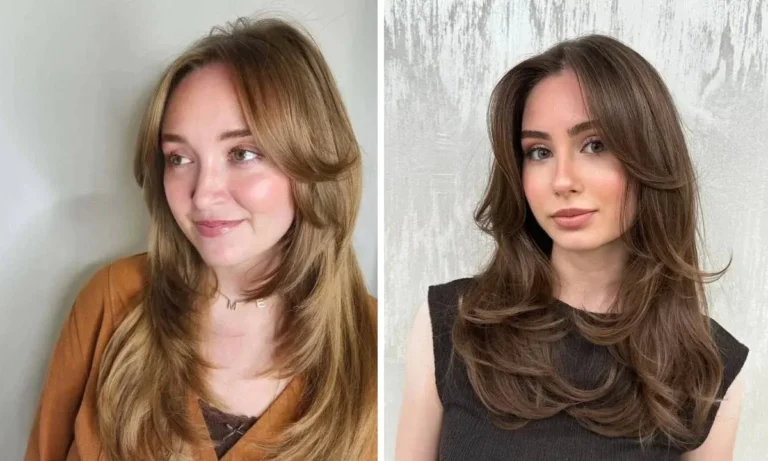
1. Curtain Bangs Blended Into Long Layers So Your Hair Finally Moves

Long hair cut all one length tends to hang like a curtain that never opens. It looks fine in a ponytail and flat everywhere else.
Curtain bangs blended into long layers give the front some motion. The bangs part in the middle and sweep to each side, and the shortest layer starts near the cheekbone so nothing looks chopped.
Ask your stylist for:
- Bangs that start slightly past the brow bone
- A first layer around cheekbone or chin length
- Long layers that stay light through the ends
If you have a cowlick at the front, mention it before the first snip. It changes where the part wants to fall.
One length, heavy through the front. The hair hangs straight down, your face gets lost behind it, and the only styles are “down” or “ponytail.”
Bangs sweep away from a center part and the layers bend near your face. A quick round brush blow dry gives you loose movement without a curling iron.
2. The Collarbone Lob With a Blunt Edge That Sits Right on Your Shoulders

Tiny rule for a lob: judge it by your shoulders, not your chin.
Ends that hit the top of the shoulder get pushed outward, and that is where most lobs start to flip. A collarbone lob is cut to skim that curve with the length angled slightly longer in front, so the blunt line hangs straight instead of kicking out.
That clean edge makes fine and medium hair look thicker, which is the main reason to choose this cut. The tradeoff is that a blunt line shows split ends quickly, so regular trims keep it crisp.
It suits straight to slightly wavy hair best.
💡 Quick Tip
If your ends still flip, blow dry them under with a medium round brush while the hair is slightly damp. Finish with ten seconds of cool air on the ends. The cool blast sets the bend so it lasts through the day.
3. A Soft Wolf Cut That Skips the Mullet Look

Wolf cuts picked up a harsh reputation, and most of it comes from taking too much length off the crown.
The soft version keeps the top layers longer and blends them into the back. The shape reads as fluffy volume instead of a hard step. It works best on wavy or slightly thick hair that already has some texture to hold the layers.
Fine, straight hair can wear it too, but plan on a texture spray to give the layers something to grip.
Bring a photo of the back view, not just the front. The back is where wolf cuts go wrong.
Ask for long, blended layers at the crown.
Show photos from the back and the side.
Air dry with a curl cream or sea salt spray.
Saying “choppy” with no length guide.
Letting crown layers go shorter than the face frame.
Blow drying every layer perfectly flat.
4. Chin-Length Bob With a Slight Bend Instead of a Stiff Bell Shape

A stiff bell bob and a bent bob can both land at the chin. They act very differently by lunch.
The bell shape is cut with a straight, heavy line, so it needs a flat iron to stay smooth. The bent version has a gentle curve under the ends, made with a little internal shaping, so the hair tucks toward the jaw on its own. You can air dry it and still look put together.
Pick the bell if you love a sharp, sleek finish and don’t mind heat styling.
| Stiff bell bob | Bent bob |
|---|---|
| Best on: straight or fine hair | Best on: straight, wavy, or slightly thick hair |
| Morning effort: flat iron or smooth blow dry | Morning effort: rough dry with a little cream |
| Grow-out: the line loses its shape fast | Grow-out: softens into a lob without much fuss |
5. The Curly Shag Cut Dry, Curl by Curl
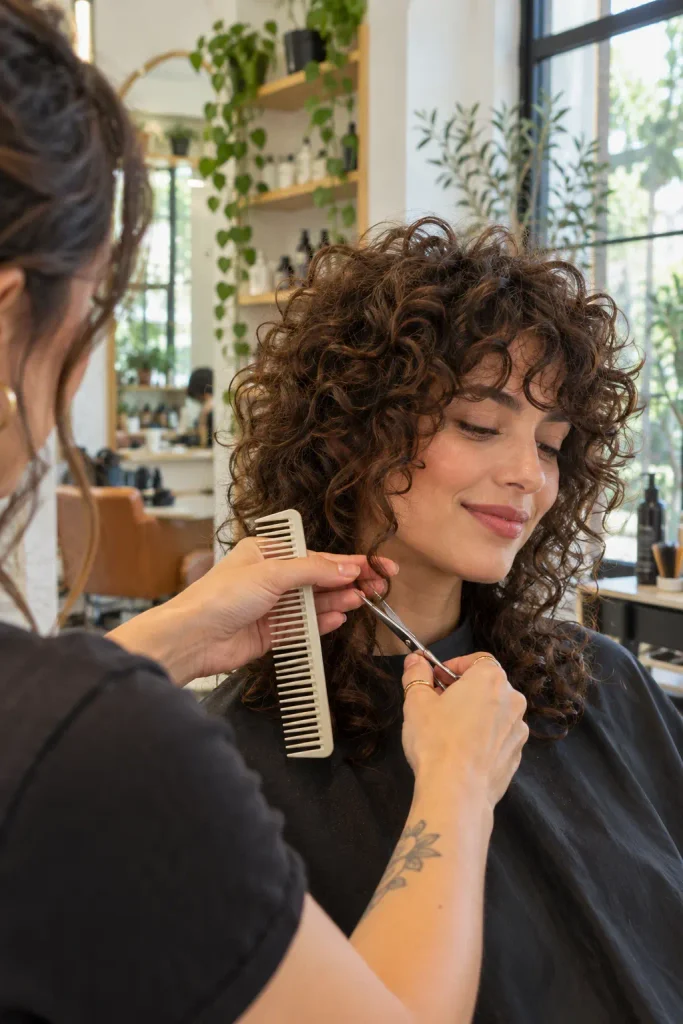
Dry curls show you where they want to sit. That is why a curly shag is often cut dry, one curl at a time, instead of on wet hair that has been stretched straight.
What that looks like in the chair:
- Layers placed around each curl clump
- The shortest layers near the crown for lift
- Length kept at the ends so the shape stays full
Find a stylist who lists curly cutting in their bio. That matters more than the exact name of the cut.
6. Butterfly Layers for Long Hair That Fall Flat by Noon
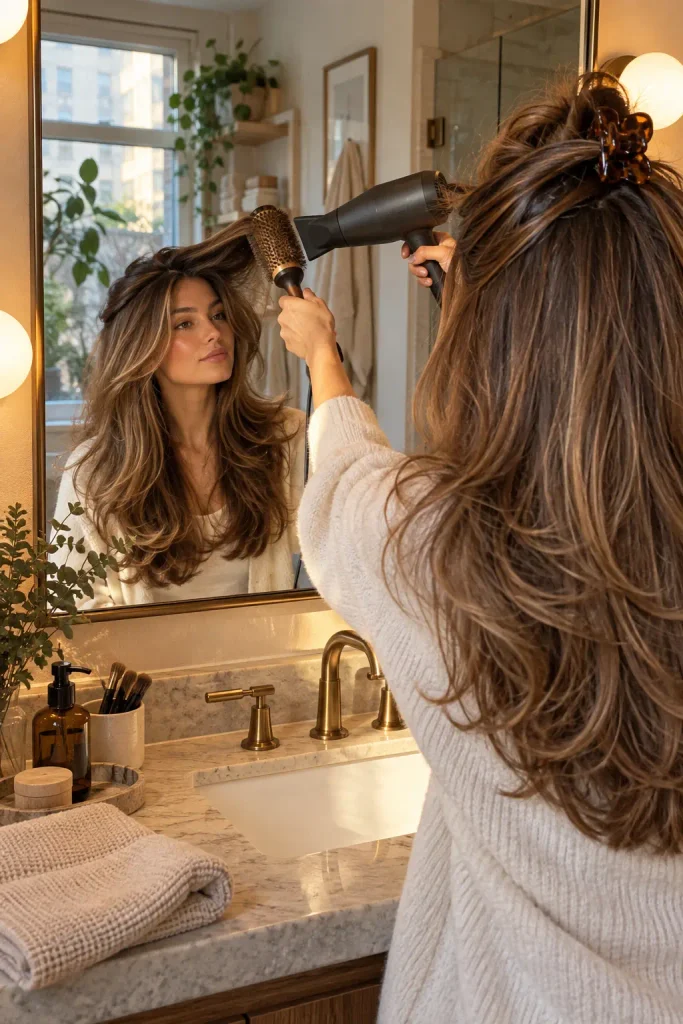
By lunch, the volume is usually gone. You blow dried at seven, and now the top has slid flat against your head while the ends hang thin.
Butterfly layers fix this by working in two levels. Short, face-skimming layers sit on top, and longer layers stay underneath. The result lifts at the crown and swings at the ends.
Ask for the shortest layer to land around the chin. Any higher and the cut starts to read as a shag.
Here is the routine that keeps the lift going all day:
Rough dry the roots first, lifting them straight up with your fingers until the hair is mostly dry.
Roll the short front layers away from your face with a large round brush, then move to the longer ones underneath.
Pin each rolled section in a loose clip for a few minutes to cool. Release and finger comb instead of brushing.
7. Face-Framing Pieces Matched to Your Face Shape

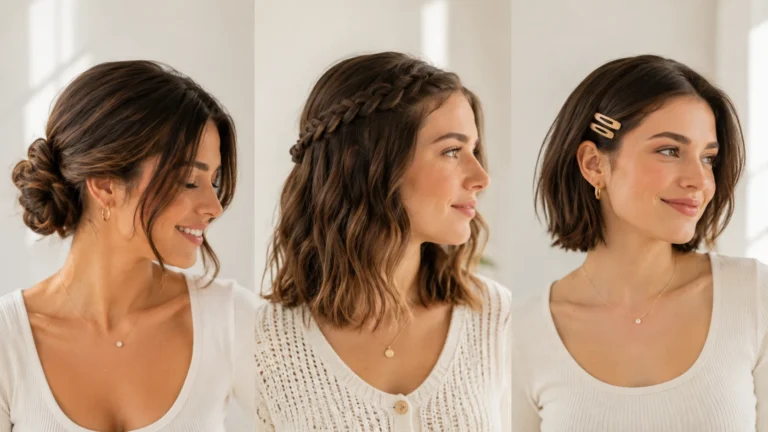
The same face-framing piece can soften a strong jaw or add length to a round face. What changes the result is where the piece starts and where it stops.
Find the widest part of your face, then ask your stylist to end the shortest piece just above or just below that spot. Ending right at the widest point tends to pull the eye there.
Face shapes are a starting point, not a rulebook. Your hairline and the way your hair falls matter just as much.
Before you go, take a photo of yourself with your hair pulled back. It shows your stylist your real shape.
8. A Pixie With a Longer Top for People Scared of Going Short

People who say they would never go short have usually only seen the shortest pixies. A pixie with a longer top is a different cut.
The sides and back stay neat and close. The top keeps enough length to sweep to the side, push back, or tuck behind an ear, so you are not stuck with one look.
It suits fine hair well, since the shorter sides help the top stand up. Thick hair may need light thinning on top so it doesn’t puff out.
Use the list below at your appointment:
Bring this to your pixie consult
9. The Italian Bob for Hair That Needs Body, Not Length

The most common Italian bob mistake happens at home, not in the salon chair. The cut gets dried flat, and the whole point disappears.
An Italian bob usually lands between the chin and the collarbone, with soft layers and weight kept at the ends. It has room to bounce, which makes it a good pick for hair that looks limp when cut too short.
The body comes from the blow dry as much as the scissors. Ask your stylist to show you how they dry it, then copy the brush size they use.
Lift the roots up and away from your face first, then roll the ends under with a large round brush. Flat roots turn this cut into an ordinary shoulder-length bob.
10. The Bixie, a Bob and Pixie Hybrid for the Grow-Out Phase

From the front, a bixie reads as a bob. From the back, it reads as a pixie. The sides sit at the chin or jaw, while the nape is cut shorter and layered upward.
That mix helps during grow-out. You can leave a pixie behind without jumping straight to a full bob, and the choppy front pieces hide uneven lengths along the way.
It works best on straight and wavy hair. Tighter curls need a stylist who cuts curls dry, because the layers can spring up shorter than expected.
Ask for the nape to be cut with scissors instead of clippers. The edge comes out softer.
⚠️ Watch Out
Do not let the back go too short on the first visit. A very short nape takes months to catch up with the sides if you later want a bob. Ask for the back to stay a couple of finger widths longer than a true pixie, then go shorter next time if you want to.
11. Bottleneck Bangs on Shoulder-Length Hair

Bottleneck bangs sit somewhere between curtain bangs and a full fringe. They are shortest near the part, then widen and lengthen toward the sides, so the shape looks like the neck of a bottle.
On shoulder-length hair, that shape frames the face without asking you to grow anything out. The side pieces blend into the rest of the length, so the bangs don’t look like a separate haircut stuck on the front.
Check these before you commit:
- Your hair falls the same way at the front every day
- You don’t mind washing the bangs on their own between full washes
- You are fine with quick front-only trims
Dry the bangs first each morning, before the rest of your hair, so they don’t set in the wrong direction.
12. The One-Length Glass Cut for Fine Hair That Wants to Look Thicker
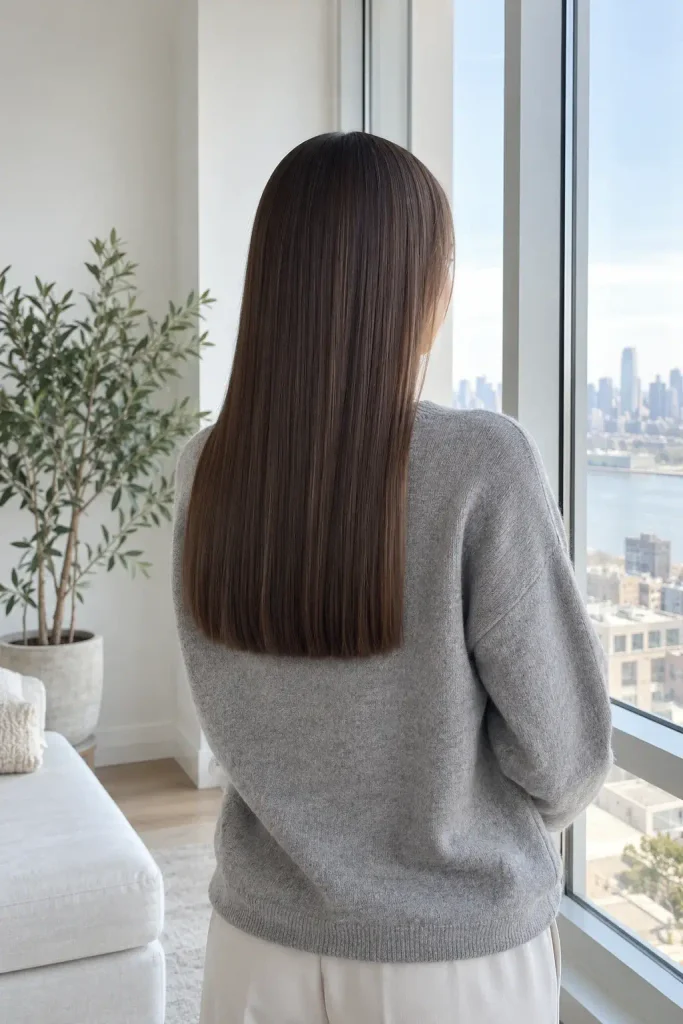
Layers do not automatically give fine hair more volume. Cut too many, and the ends turn wispy while the crown stays flat.
A glass cut goes the other way. It keeps one clean length with a blunt, sleek edge, so the ends look dense. The shine comes almost free, since every strand lies in the same direction.
The catch is that it shows uneven ends and frizz fast. Keep a smoothing serum nearby and book trims before the line starts to fade.
Ask for a length that suits your frame, like the collarbone or mid-back, and tell your stylist to skip thinning shears.
| One-length glass cut | Heavily layered |
|---|---|
| Ends: look full and dense | Ends: can look thin and wispy |
| Crown: stays flat without a root boost | Crown: gets movement, but the ends pay for it |
| Upkeep: smoothing serum and regular trims | Upkeep: hides uneven ends for longer |
13. Internal Layers That Take Weight Out of Thick Hair

Thick hair often ends up as a triangle. The roots lie flat, and the hair gets wider the further down it goes.
Internal layers work from the inside. Your stylist cuts shorter pieces beneath the top layer, so weight leaves the middle of the hair without any visible steps on the surface. Your length stays right where it is.
Use the words “remove weight through the mid-lengths, keep the ends full.” Asking to “thin it out” can lead to thinning shears, which sometimes leave short, frizzy pieces sticking out.
It helps most if your hair dries puffy at the sides.
Heavy triangle shape. The hair pushes outward at the bottom, takes a long time to dry, and needs a hair tie to feel manageable.
Same length, less bulk. The shape falls closer to the head, dries faster, and moves when you walk instead of sitting like a block.
14. A Dusting Trim When You’re Growing Your Hair Out
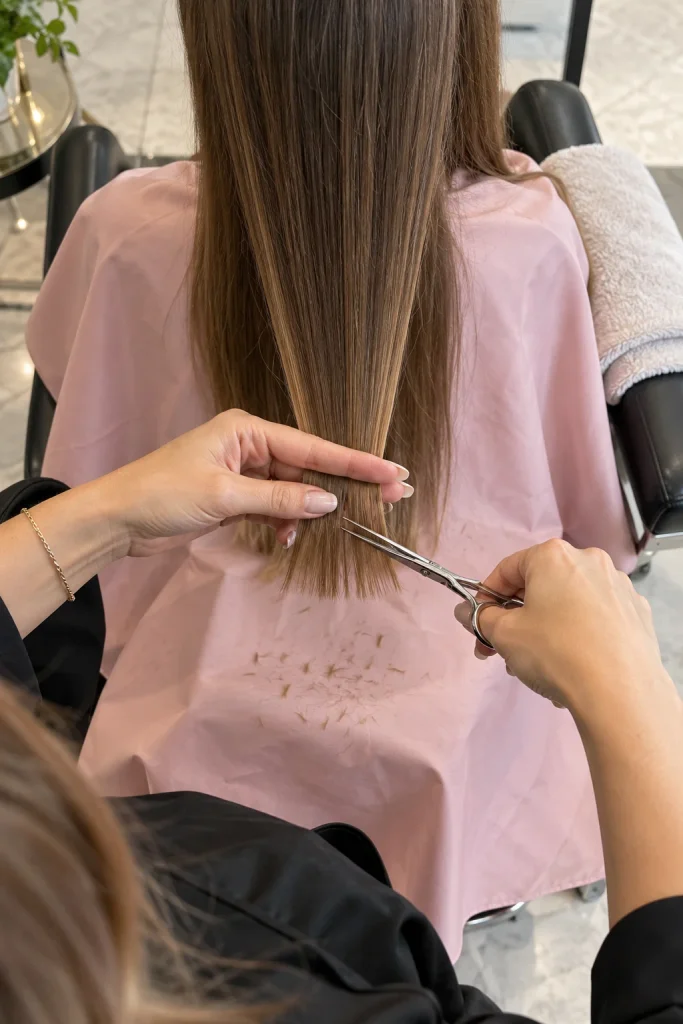
Growing out your hair doesn’t mean skipping every trim. A dusting takes off only the very tips, the part that has already split or frayed, and leaves your length alone.
Ask your stylist to work in small sections and cut only what looks damaged. If you can, have it done on dry hair, so you can see exactly what is coming off.
The signs below tell you when it’s time to book:
- ▸Ends tangle into tiny knots even after conditioner.
- ▸The bottom looks thinner than it did a few months ago.
- ▸Strands split into two or three when you twist a small section.
- ▸The roots feel smooth but the ends feel rough and dry.
15. A Textured Crop for Short Hair That Needs Almost No Effort
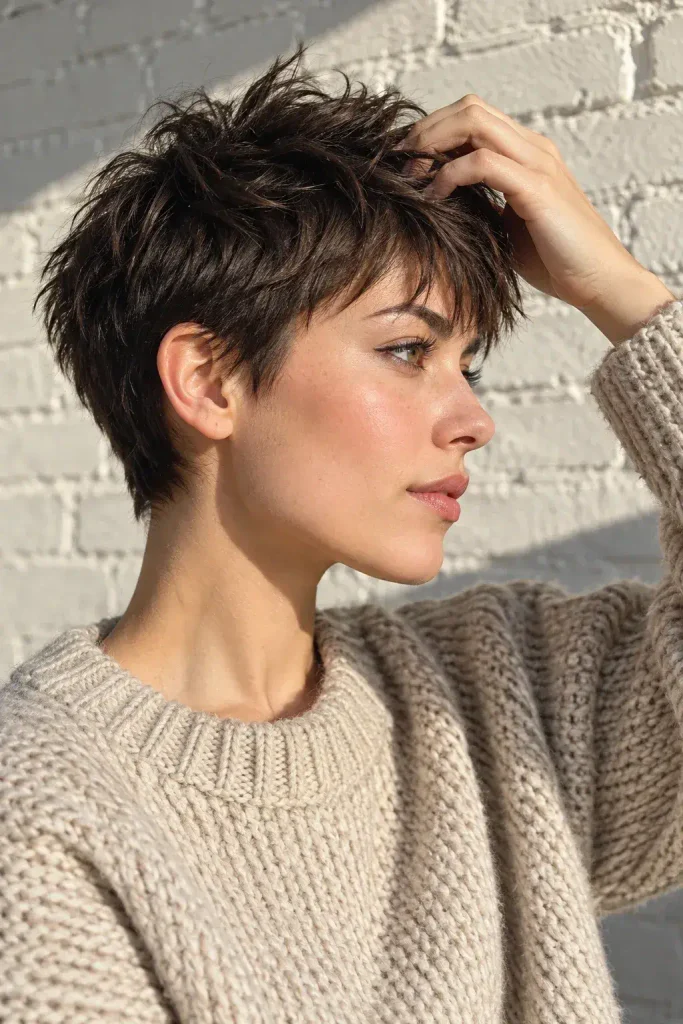
Short on the sides, choppy on top, and nothing sits quite flat. That is the textured crop, and it is built to look a little undone.
The top is cut in uneven lengths, so you don’t have to style each strand. Work a small amount of paste or clay through dry hair with your fingers, then push it forward or to the side.
It suits straight and wavy hair, and grows out gracefully. Book a tidy up when the sides start covering your ears.
Apply product to dry hair, starting at the back.
Use your fingers to push pieces in different directions.
Start with a tiny amount and add more only if needed.
Combing product through with a fine tooth comb.
Using so much wax that the hair looks wet.
Brushing the top flat once it has dried.
Conclusion
A good haircut starts with a clear ask. You now have names, lengths, and small details to say out loud in the chair, and that is most of the work.
Pick one or two of these fall haircuts to try in 2026, then check them against your hair type and the minutes you really have each morning. A cut that fits your routine will look better in week six than one that only looked good on day one.
Take your favorites to your stylist, and let them tell you what will work with your hair.
Before you book
Save this list to your hair ideas board on Pinterest, so it’s ready when your next appointment comes around.