
7 Signs Your Hair Routine Is Aging You (And What to Do Instead)
Your hair routine might be quietly working against you. Not because you’re doing anything drastically wrong, but because habits that worked at twenty five don’t always hold up a decade later, and most people never update the routine to match. The signs your hair routine is aging you are usually small. A wider part. Ends that look thin no matter what. Color that fades faster than it used to.
Nobody tells you when it’s time to change course. You just keep doing what you’ve always done, buying the same products, skipping the same steps, and wondering why your hair looks tired even on a good day.
The good news is none of this requires a full overhaul. A few targeted shifts can make a real difference in how your hair looks and behaves. Here are seven signs worth paying attention to, and what actually helps.
1. Your Part Looks Wider Than It Did a Few Years Ago
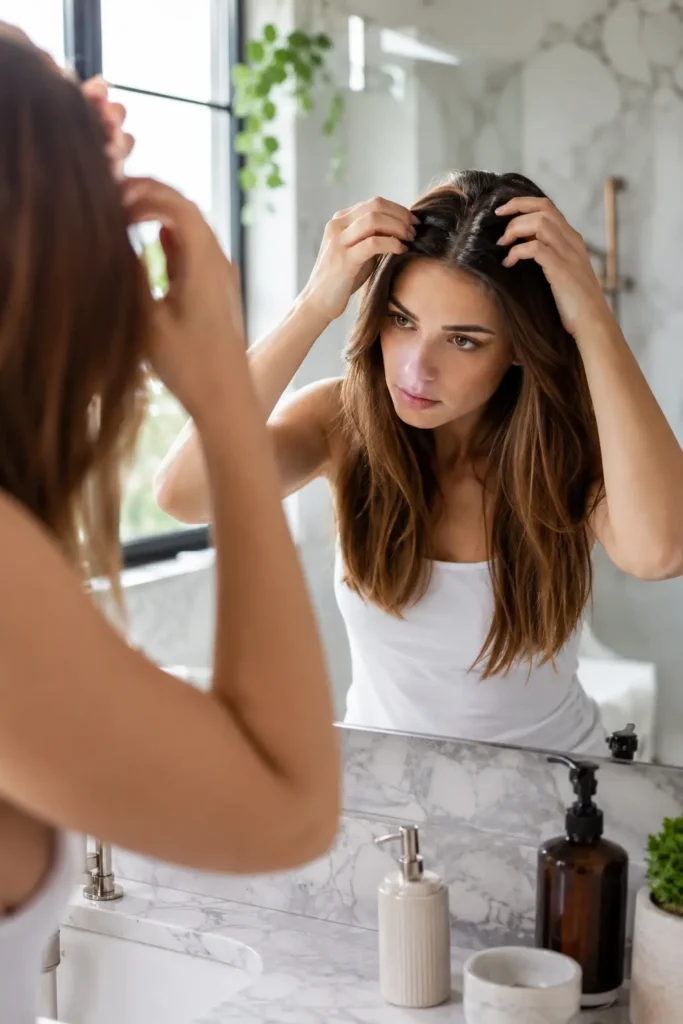
Take a photo of your part today and compare it to one from three or four years back. If the gap looks noticeably wider, that’s not your imagination. Hair thins gradually at the part line before anywhere else becomes obvious, and most people miss it because they see their hair every single day.
A few things actually help: switching to a lightweight volumizing shampoo, changing your part direction every so often so the same strands aren’t under constant stress, and getting a scalp treatment with peptides or caffeine if thinning has started. Catching it early matters more than catching it perfectly.
2. You’re Still Reaching for the Shampoo From Your Twenties
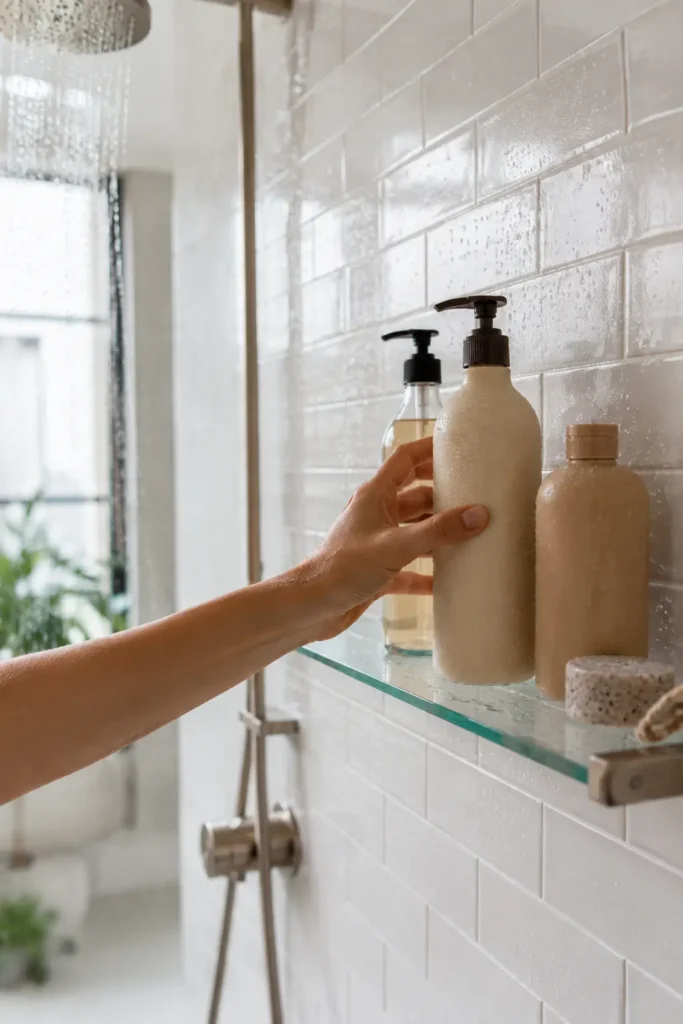
Hair needs change as you age, and the shampoo that worked when your scalp produced more oil and your strands had more natural elasticity may now be too harsh or too heavy. Sulfates that once cut through oil just fine can now leave hair dry and brittle at the ends.
If your bottle hasn’t changed in five years, that’s worth a second look. Your scalp’s oil production shifts, your hair’s moisture needs shift, and the formula sitting in your shower should shift too.
💡 Quick Tip
Look for a sulfate free formula with added moisture if your hair feels drier than it used to, even if you haven’t changed anything else about your routine.
3. Your Ends Look Thin No Matter How Long You Grow It Out
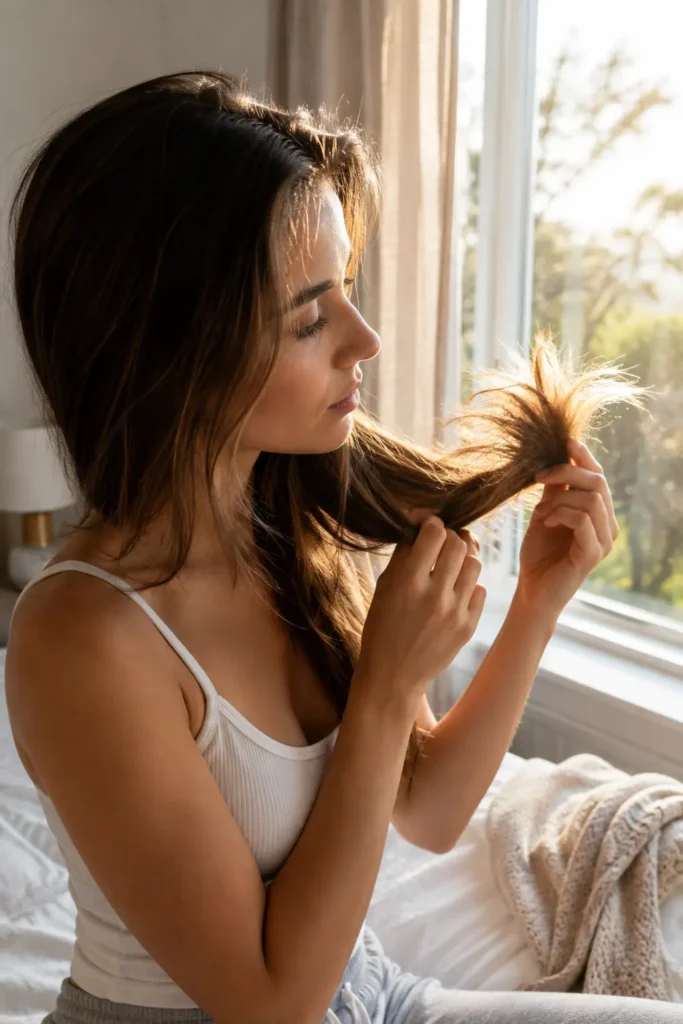
This one trips people up because it feels like a length problem, so the instinct is to keep growing it out. But older ends have simply survived more sun exposure, more heat, more color, and more friction than the rest of the strand. They thin out from wear, not from anything happening at the root.
The fix isn’t more growth. It’s protecting what you already have and trimming what’s already damaged.
Trim damaged ends every 10 to 12 weeks.
Use a leave in treatment focused only on the bottom third.
Avoiding trims to “save length.”
Piling product only on your roots.
4. You Skip Heat Protectant “Just This Once” More Than You Admit
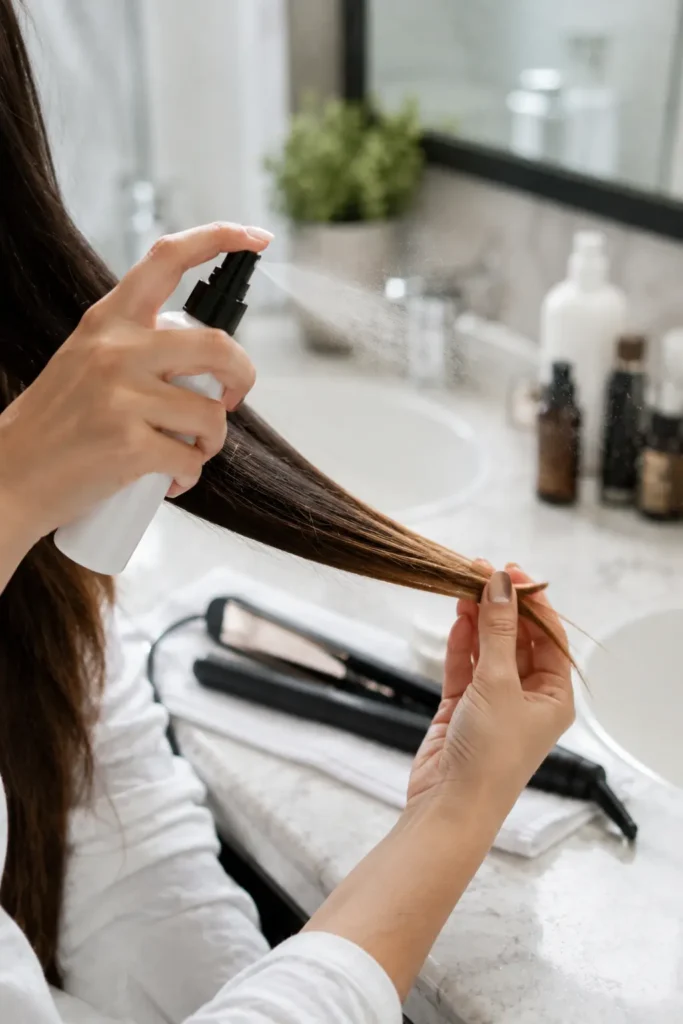
Be honest. How many times this month did you grab the flat iron without spraying anything first because you were running late? Heat damage adds up quietly, and hair that’s already lost some elasticity from age handles that damage worse than it used to.
Keep a travel size heat protectant next to your styling tools, not in a drawer.
Lower your tool’s heat setting by 25 degrees. Most styles don’t need max heat.
Do one pass with the iron instead of going back over the same section.
5. Your Color Turns Brassy Within Two Weeks of Leaving the Salon
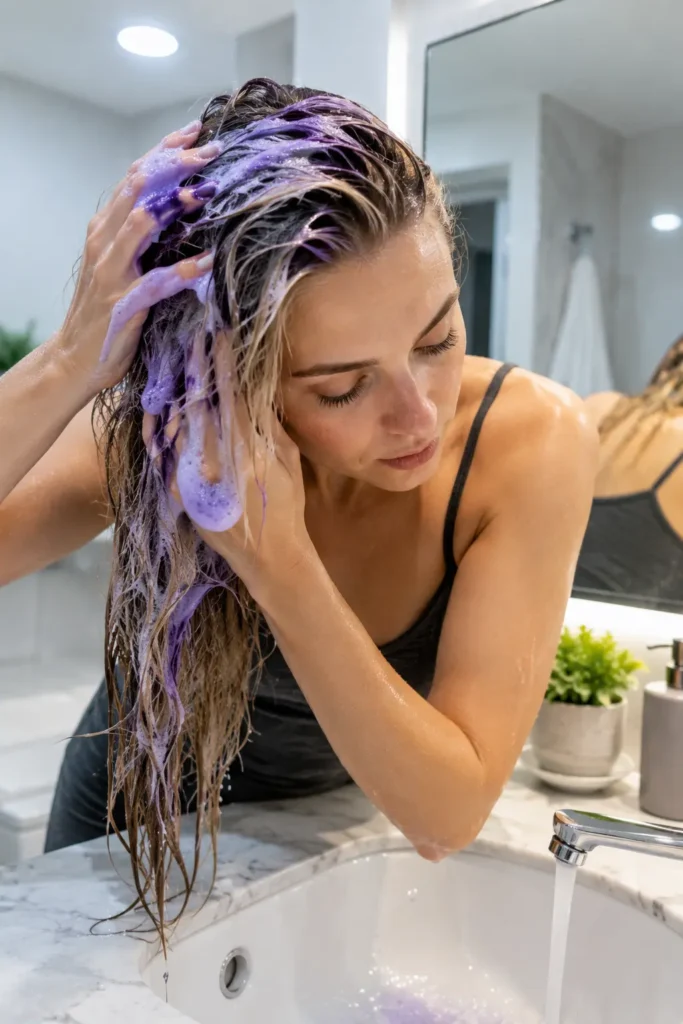
Aging hair has a rougher cuticle, which means color molecules slip out faster than they used to. If you’re rebooking touch-ups more often just to chase the same tone, the problem usually isn’t your colorist. It’s that raised cuticle letting pigment escape.
A purple or blue toning shampoo used once a week slows this down. Cooler water temperatures when rinsing help too, since heat opens the cuticle even wider and speeds up fading.
Color looks warm and brassy less than two weeks after your appointment.
Tone holds true for four to six weeks with weekly toning shampoo and cooler rinses.
6. You Brush Wet Hair Like It’s Not the Most Fragile It Gets
Wet hair stretches further before snapping, and that elasticity drops as hair ages. Running a regular brush through soaking wet strands is one of the fastest ways to rack up breakage without noticing, especially around the crown where hair is often already finer.
What to grab first
Start from the ends and work upward. Fighting knots from the root down is how most wet breakage happens.
7. Your Go To Hairstyle Hasn’t Changed Since High School
This one isn’t about damage. It’s about how a style can quietly age a face over the years as hair texture, density, and face shape shift slightly with time. The same center part and straight fall that worked at seventeen can read differently at forty, not because anything is wrong, but because your features have settled into new proportions.
A slightly different part placement, some soft face framing layers, or a bit more volume at the crown can update the whole look without a dramatic change.
A style you’ve worn for twenty years deserves one honest look in good lighting to see if it still fits you now.
Conclusion
None of these signs your hair routine is aging you require starting over. Most come down to small mismatches between what your hair needs now and what your routine still assumes it needs from years ago. A different shampoo, a lighter hand with heat, a wet detangling swap. Small shifts, real difference.
The part that actually helps is paying attention. Once you notice where your routine has fallen behind your hair, the fixes are simple and mostly free. Nobody expects a full haircare overhaul, just a few honest updates in the right places.
If any of these hit close to home, save this list so you can come back to it next time you’re standing in the shampoo aisle wondering what actually changed.