15 Colorist-Approved Hair Colors That Make You Look 5 Years Younger
Introduction
Most women asking for a “youthful” hair color end up with the same flat, all-over shade their colorist keeps trying to talk them out of. The truth is, hair color makes you look 5 years younger only when it works with your skin tone, not against it. A single blanket color, no matter how expensive the salon, can wash you out or harden your features in ways you won’t notice until you see a photo.
Colorists have quietly known this for years. It is not about going lighter or darker across the board. It is about where the color sits, how it moves near your face, and whether the tone leans warm or cool for your skin.
Below are 15 colorist-backed color moves that soften features, brighten the complexion, and take years off without a dramatic chop or a total color overhaul. Some are subtle. A few will surprise you. All of them are things you can actually ask for by name at your next appointment.
1. Soft Face-Framing Balayage That Softens Every Angle
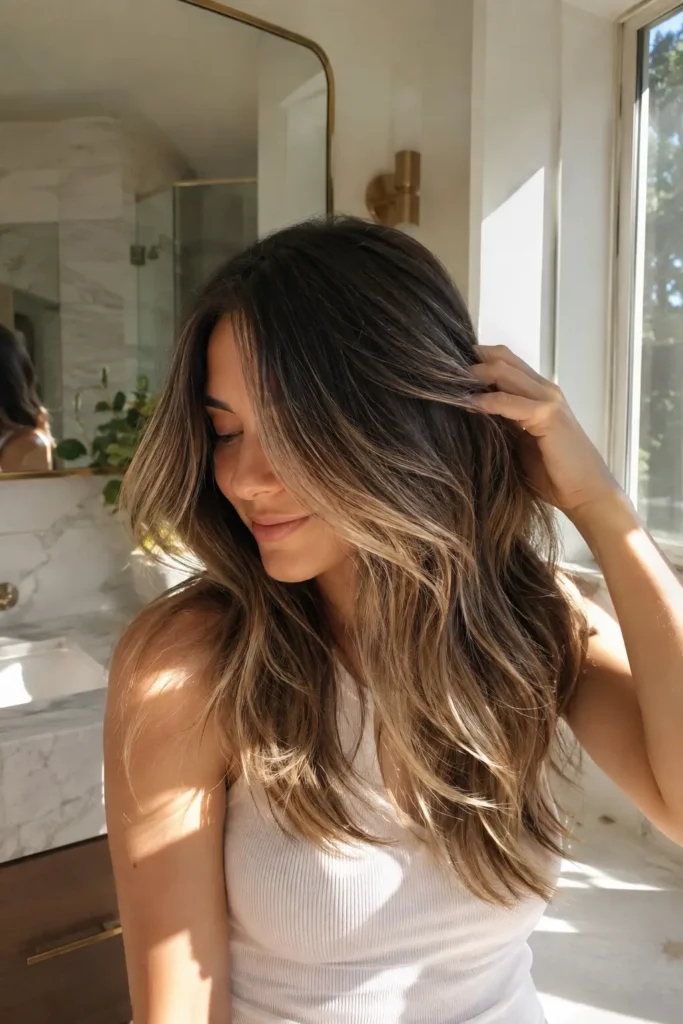
Harsh, single-tone hair pulls attention to every line and shadow on your face. Soft balayage does the opposite. It places lighter pieces exactly where light naturally hits, around the cheekbones and jaw, so the eye moves to soft color instead of sharp contrast.
Ask for balayage that’s hand-painted rather than foiled in a grid pattern. The placement should look a little uneven on purpose.
Ask specifically for “face-framing balayage” so your colorist knows to concentrate the lightest pieces near your hairline, not just at the ends.
2. Warm Caramel Highlights, Not Cool Ones
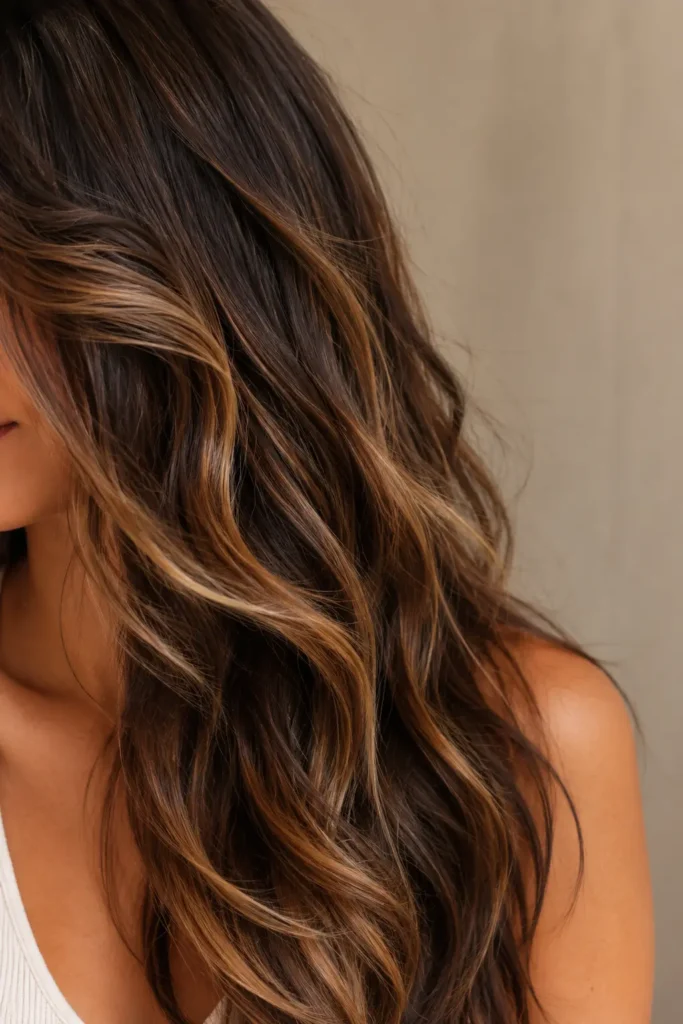
Ash and icy highlights can flatter certain skin tones, but on most people over 35 they tend to sit against the skin instead of blending into it. Warm caramel does the opposite. It picks up gold and copper undertones already in your skin, so the whole complexion looks a little brighter without any makeup change.
💡 Quick Tip
If your colorist mentions “toner,” ask for a warm gold or honey toner rather than a violet or ash one. That one word changes the whole result.
This works especially well on medium brown bases, where the contrast between the caramel and the natural root reads as dimension instead of regrowth.
3. Why Flat Box-Dye Brunette Ages You (And What To Ask For Instead)
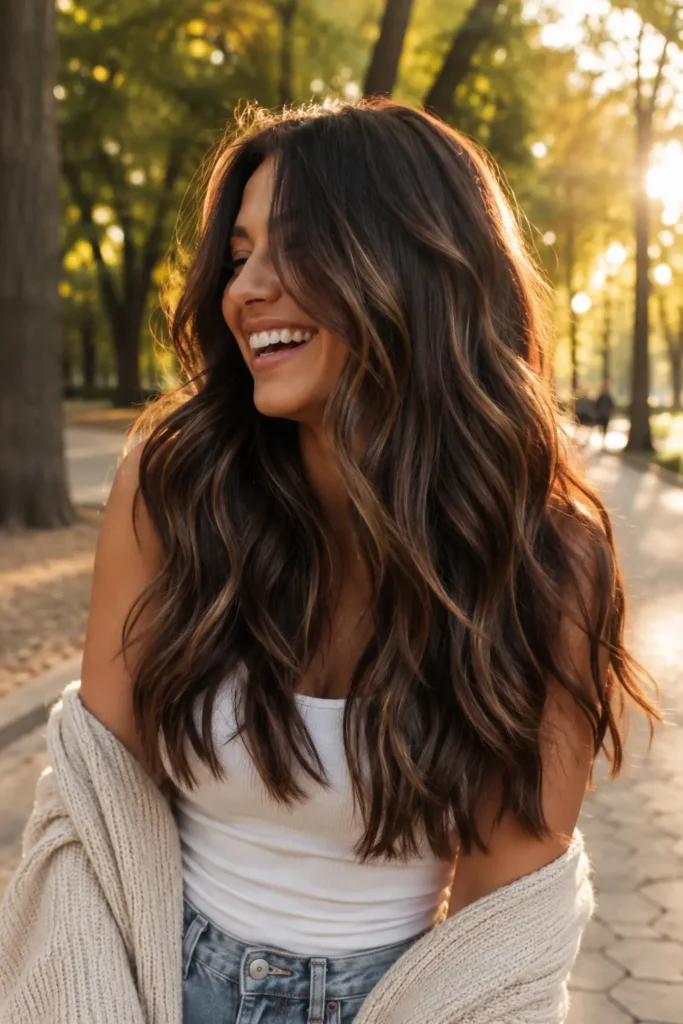
A single, opaque brown might look neat in the mirror under bathroom lighting, but in daylight or on camera it flattens your whole face. There’s no light or shadow in the hair itself, so any shadow on your skin, under the eyes, around the mouth, stands out more.
Ask for two to three tonal shades woven through the brunette base.
Request “dimensional brunette” by name.
A single-process, all-over flat brown.
Box dye without any lift or lowlight.
Two or three woven-in tones fix this instantly, and they cost far less upkeep than a full balayage.
4. The Money Piece Placement Colorists Use Around The Face
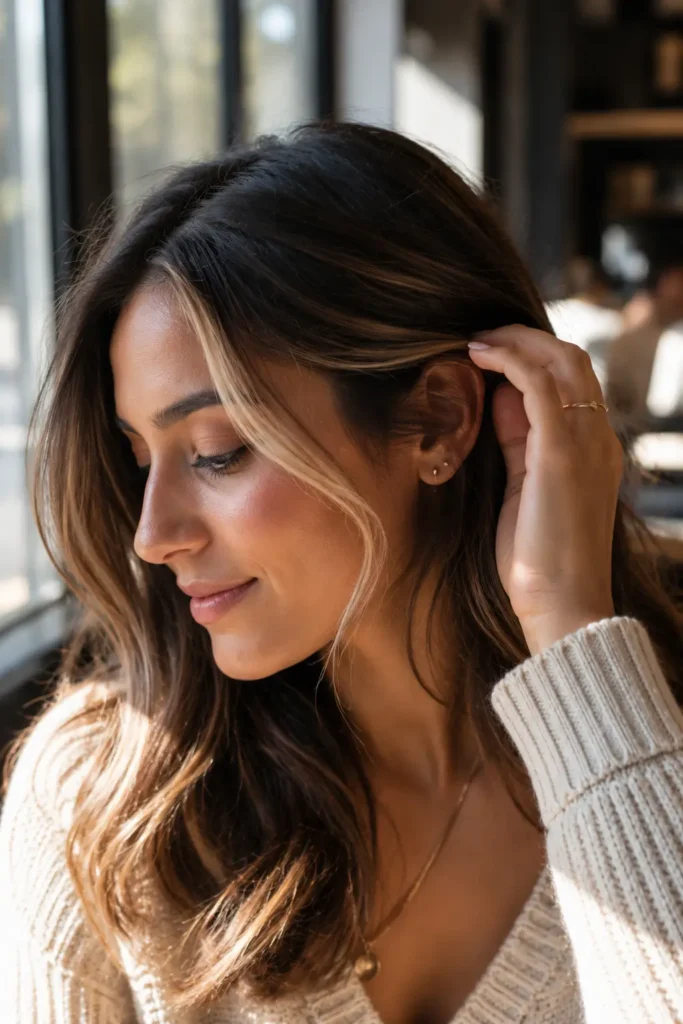
The “money piece” is the one or two chunkier lightened pieces right at the front, framing your face on both sides. It’s a small, targeted move, not a whole-head color change, which is why it’s become a colorist favorite for clients who want a quick refresh.
Ask for lightening on the top pieces that fall closest to your part.
Keep the lightened section wide enough to show when hair is pulled back.
Blend the edges so there’s no hard line against your base color.
It works best for anyone who wants brightness at the face without touching the rest of their color.
5. Trading Harsh Black For Soft Espresso Brown
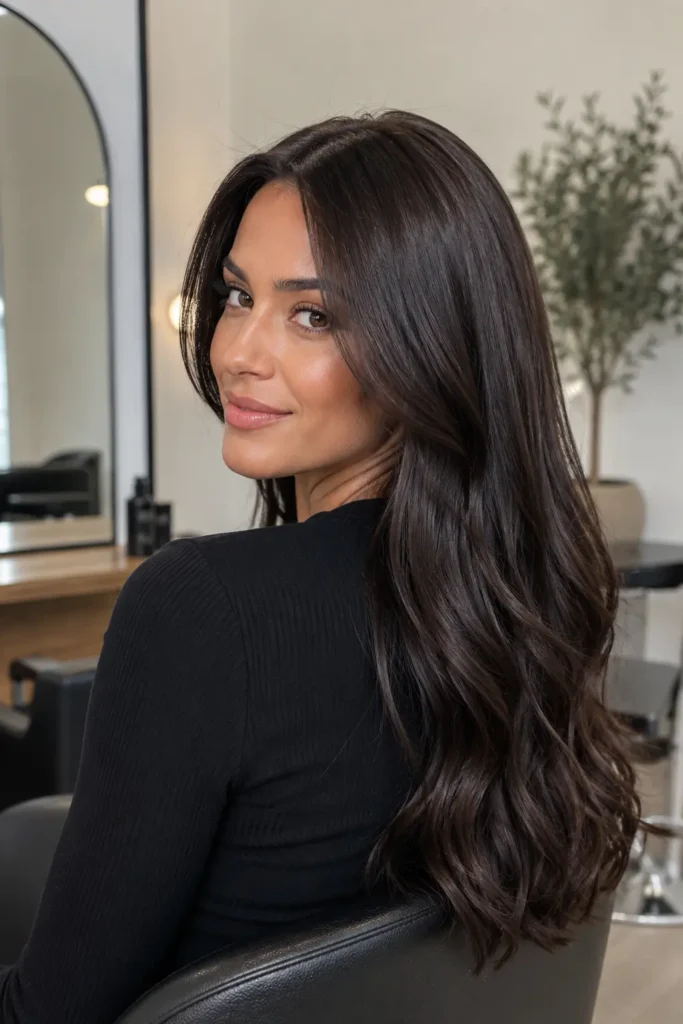
Jet black can look striking on some skin tones, but it also throws hard shadows across the face and shows every silver strand the moment it grows out. Soft espresso brown keeps the depth people love about black while leaving a little warmth in the base.
Flat blue-black that shows regrowth fast and hardens facial shadows.
Soft espresso brown with warm undertones that grows out gently.
Espresso also photographs better in natural light, where true black can go flat and shadowy on camera.
6. Cool Blonde vs. Warm Blonde: Which Ages Softer
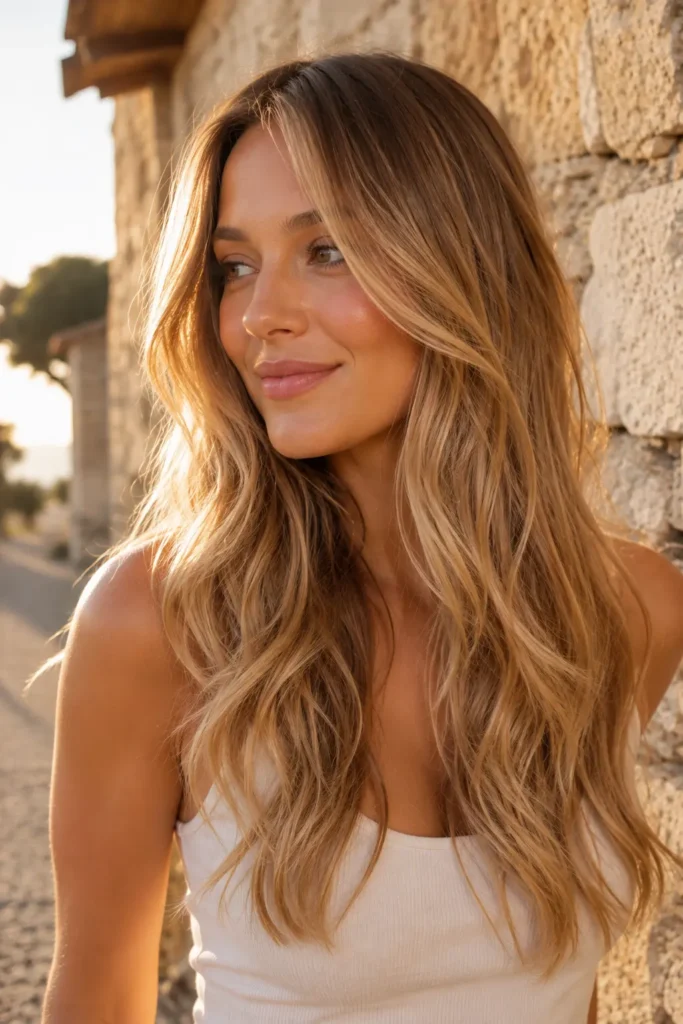
Not all blondes work the same magic. Icy, platinum tones can look sharp against fair skin but tend to highlight redness and under-eye shadows. Golden and honey blondes soften those same areas because they carry warmth that skin naturally reflects.
| Cool Blonde | Warm Blonde |
|---|---|
| Can emphasize redness in skin | Softens redness and shadows |
| High maintenance toning | Grows out more gently |
| Best for cool, pink undertones | Best for warm or neutral undertones |
Neither is objectively better. The point is matching the tone to your own undertone, not picking whatever’s trending.
7. Rooty Blonde Melts That Skip The Harsh Regrowth Line
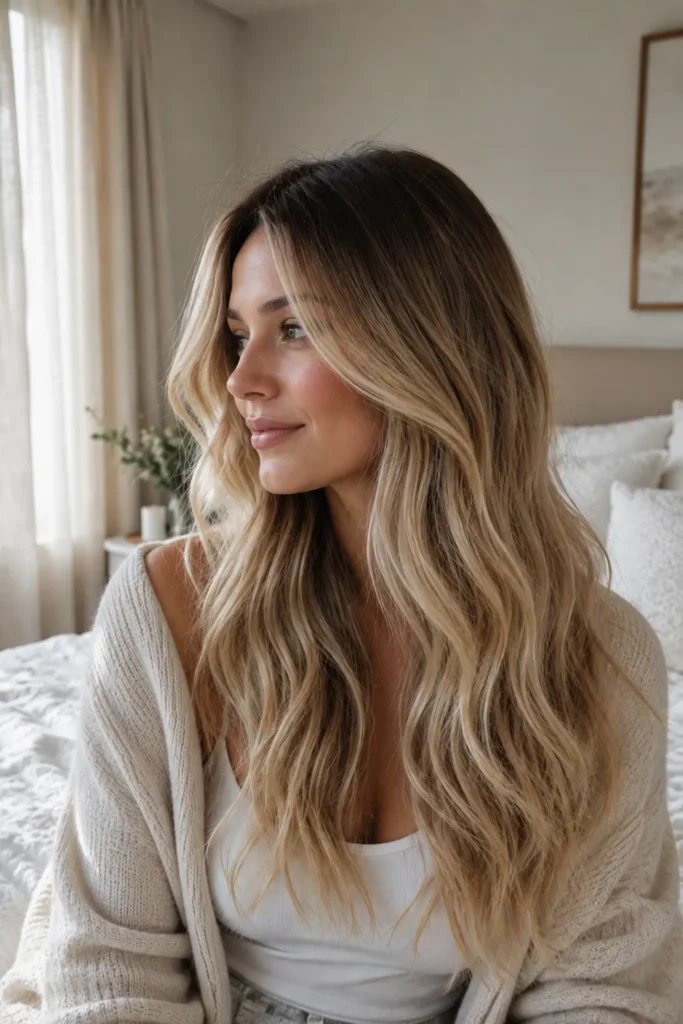
A soft, shadowed root that blends into the blonde below means you never get that jarring stripe an inch after your appointment. The eye reads it as intentional dimension instead of hair that needs a touch-up.
Great for anyone tired of feeling like they need a salon visit the second their part starts showing.
8. What To Bring To Your Colorist Appointment
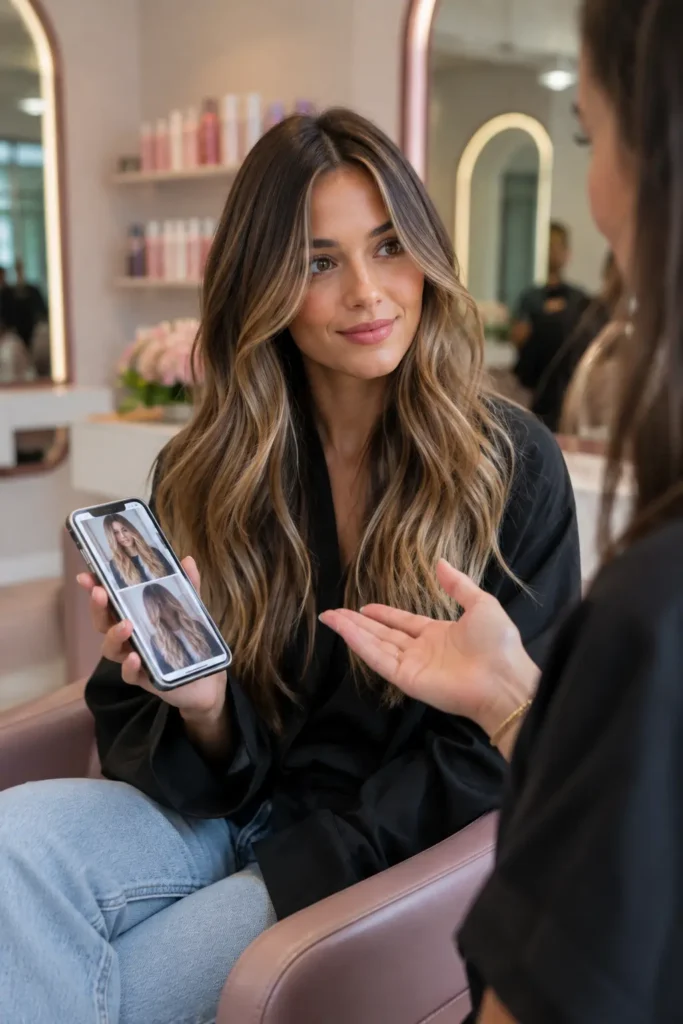
Walking in with only a vague idea, “something lighter” or “a little warmer,” leaves too much up to guesswork. Colorists work better with a clear reference point, even an imperfect one.
Bring these to your appointment
That last one matters more than people think. Be honest with yourself here, not just your colorist.
9. The One Undertone Rule Every Colorist Follows
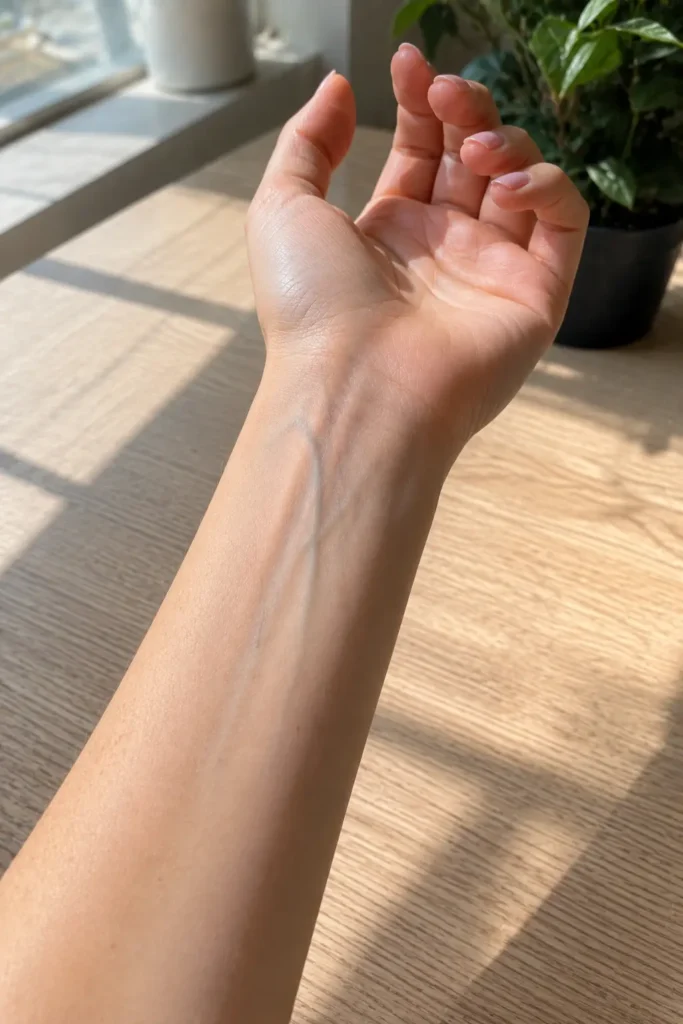
Warm skin looks best with warm hair tones. Cool skin looks best with cool or neutral tones. It sounds almost too simple, but it’s the single rule colorists lean on more than any trend chart.
Check the veins on your wrist. Blue-ish veins usually mean cool undertones. Green-ish veins usually mean warm.
It’s not foolproof, but it’s a fast, free way to start the conversation with your colorist instead of guessing blind.
10. Skip All-Over Grey Coverage, Try This Instead
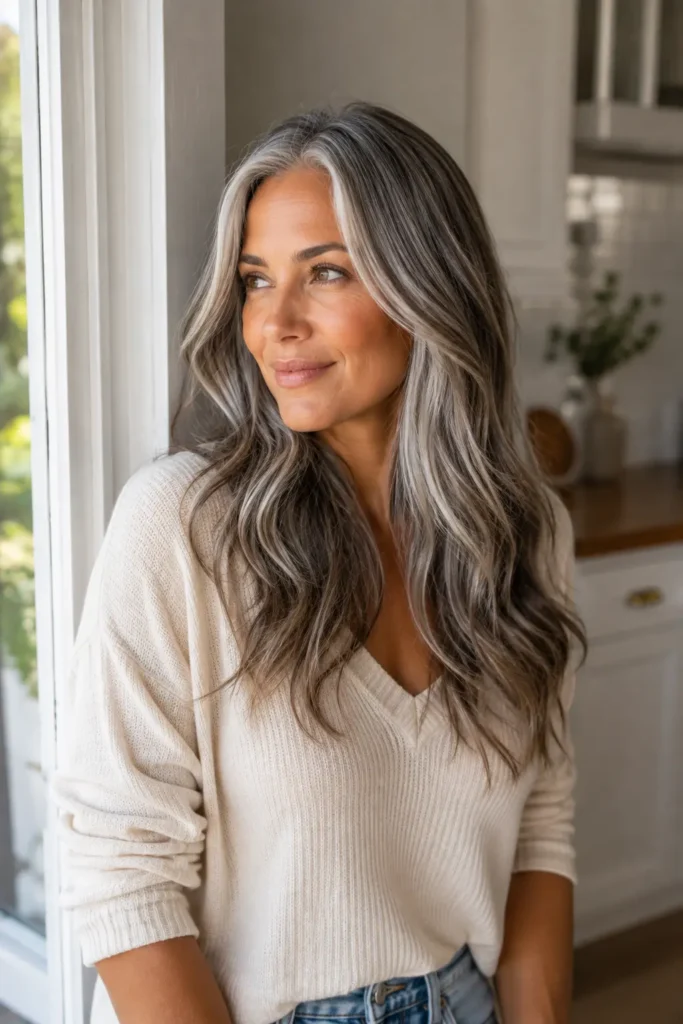
Covering every strand of grey with a single flat shade often creates a solid cap of color that looks harsher than the grey itself. It also means stark regrowth the moment new grey comes in.
⚠️ Watch Out
Asking for “full grey coverage” without dimension often results in flat, aging color, even at a good salon.
Ask for lowlights blended through instead. It softens the transition and hides regrowth far longer than a solid dye job.
11. Soft Copper Tones For Warm Skin
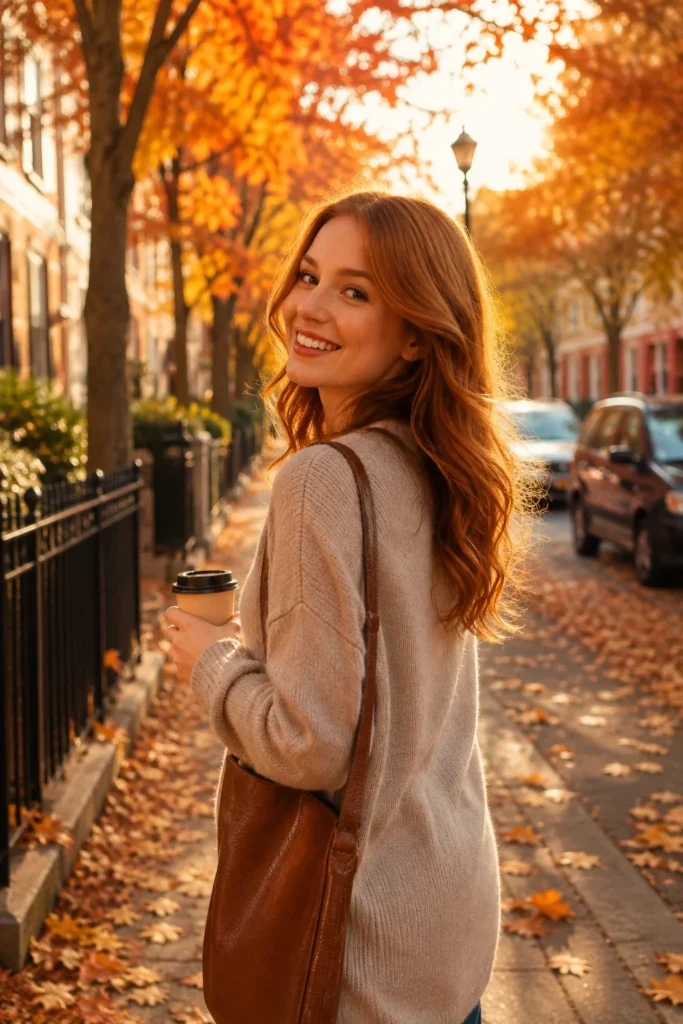
Copper gets overlooked because people assume it’s high maintenance or too bold. Done softly, it’s one of the most flattering options for anyone with warm or olive undertones, since it lights up the complexion the way blush does on skin.
Start with copper woven through a brown base rather than an all-over shade. It’s an easier entry point and much less commitment.
12. Babylights vs. Traditional Highlights
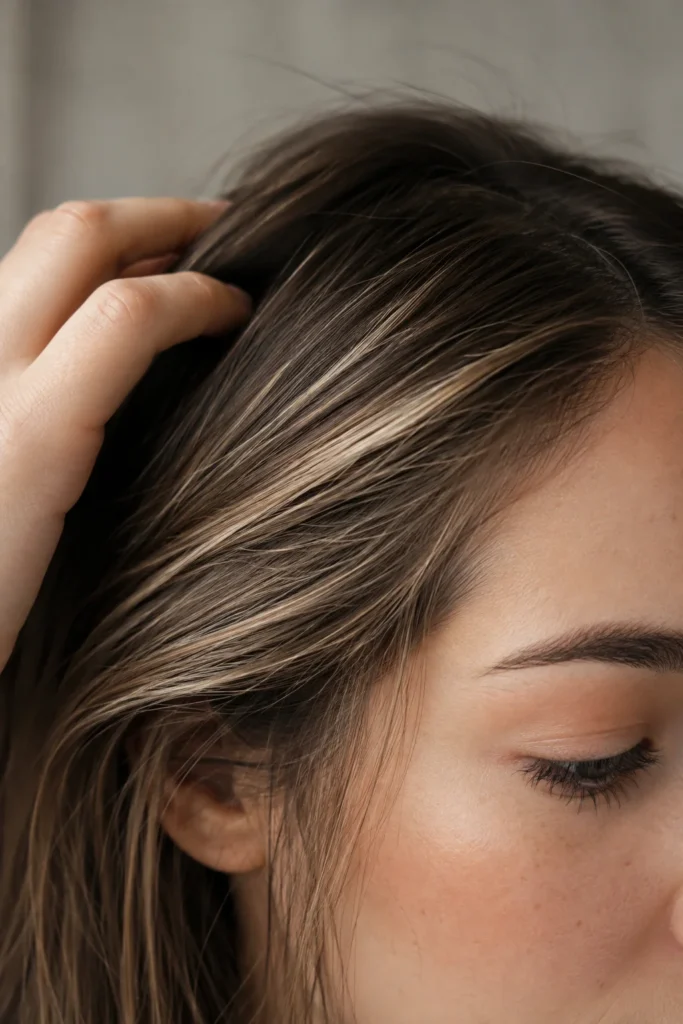
Both lighten hair, but they read very differently on the face. Traditional highlights are thicker sections that create bold contrast. Babylights are finer, closer to the hairline, and mimic the way hair naturally lightens in childhood.
| Babylights | Traditional Highlights |
|---|---|
| Fine, subtle sections | Thicker, more visible sections |
| Softer look near the face | Bolder overall contrast |
| Longer appointment time | Faster to apply |
If you want brightness without anyone clocking that you colored your hair at all, babylights are the move.
13. Chunky Highlights Are Out, This Is In
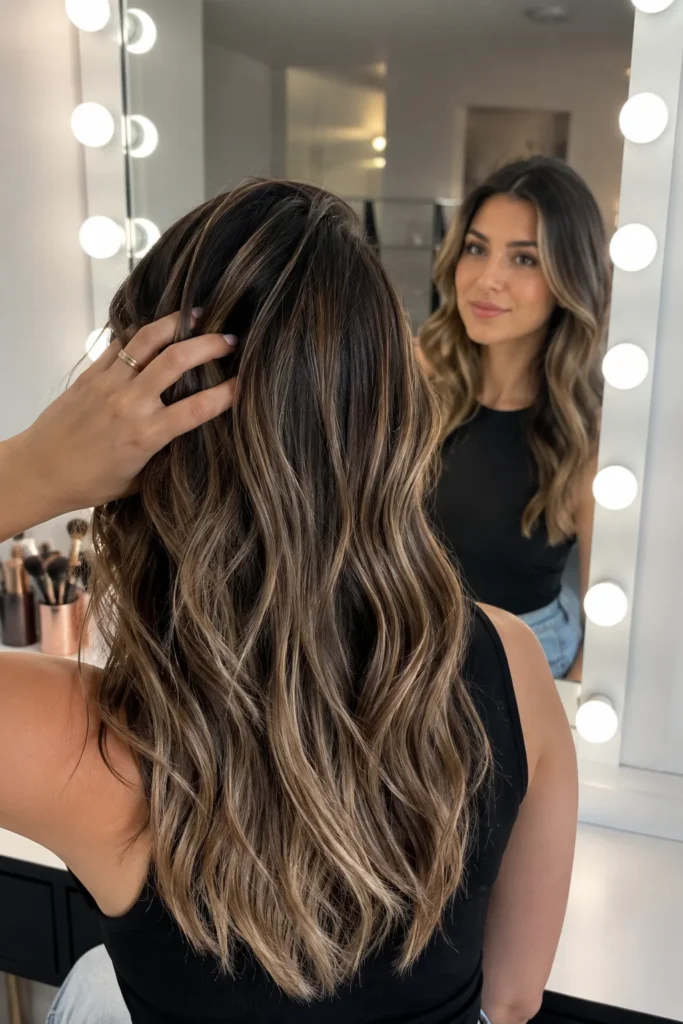
Thick, evenly spaced highlights from the 2000s tend to read as dated now, and they can actually widen the face by drawing horizontal lines across it. Fine, irregular pieces do the opposite.
Ask for fine, irregular-width pieces.
Concentrate lightness around the face.
Even, thick, evenly spaced strips.
Uniform coverage from root to end.
This is one of the easiest requests to make to an existing colorist, even if you already have highlights from years ago.
14. How To Ease Into A Lighter Shade Without Shock
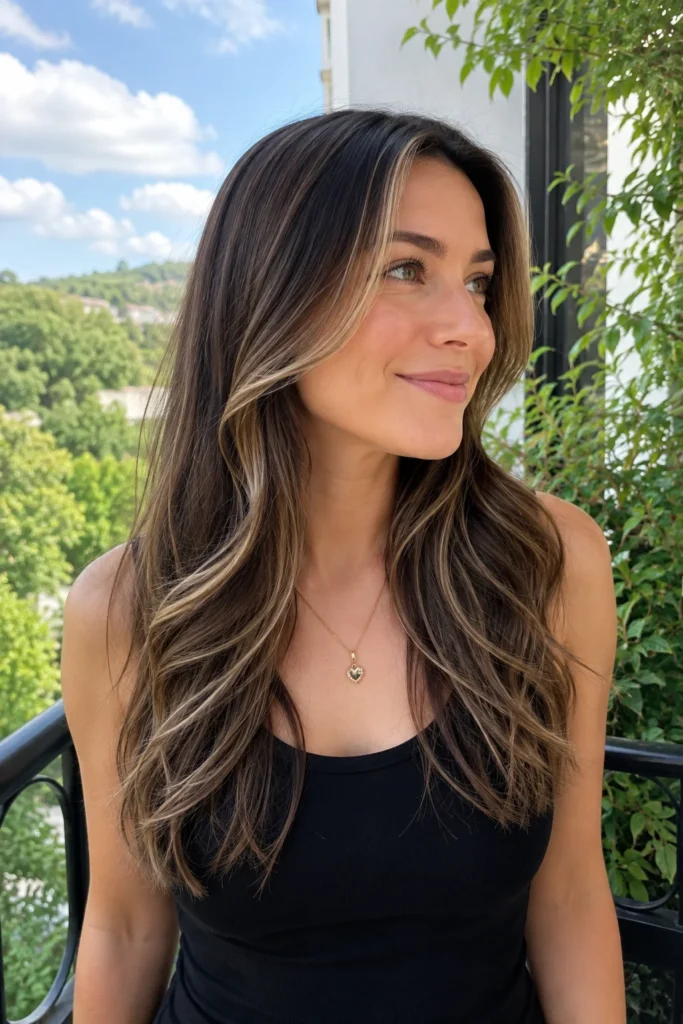
Going several shades lighter in one sitting can look great in the chair and wrong by the time you get home under different lighting. A gradual approach protects both your hair and your confidence.
Start with face-framing pieces only, no all-over lift.
Add more sections at your next appointment 8 to 10 weeks later.
Let your target shade arrive over two or three visits, not one.
Your colorist will thank you too. It’s easier on hair health and gives them room to correct tone as you go.
15. Dimensional Root Melts For Growing Out Grey Gracefully
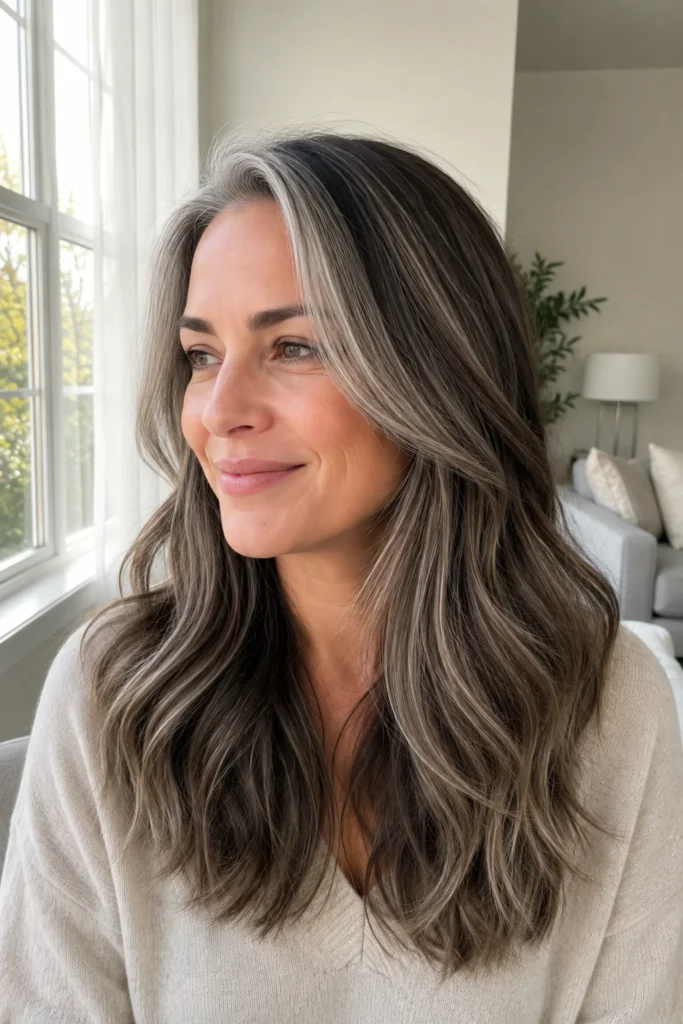
Grey growing in doesn’t have to mean a hard line between your color and your roots. A root melt blends your natural grey into soft lowlights, so the transition looks planned instead of overdue.
A visible line where solid color meets new grey growth.
Soft lowlights that blend grey into the surrounding color.
This is a favorite among women who want to grow out grey without committing to going fully silver overnight.
Conclusion
Hair color makes you look 5 years younger not by chasing a trend, but by choosing placement and tone that actually flatter your skin and features. The shift from flat, all-over color to something more dimensional, whether that’s a face-framing balayage, a warmer blonde, or a soft root melt, tends to make the biggest difference without any drastic change.
You don’t need to try all 15 of these at once. Pick one or two that fit your current color and bring them up at your next appointment. A good colorist will know exactly what you mean.
Save this list for the next time you’re sitting in the chair trying to explain what you want.
Before your next appointment, remember