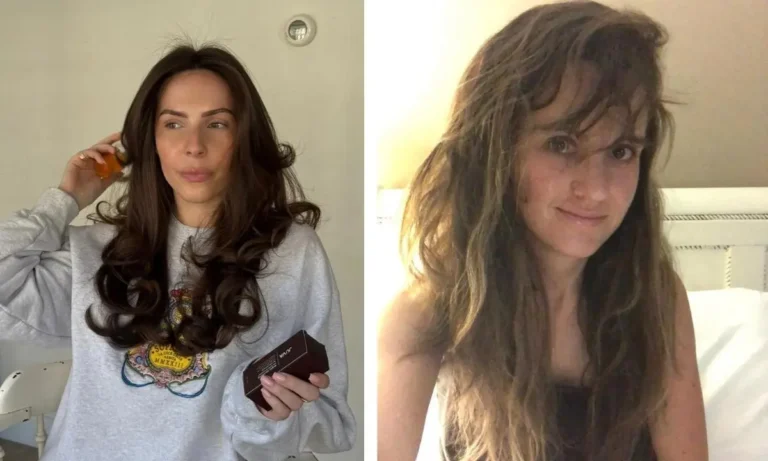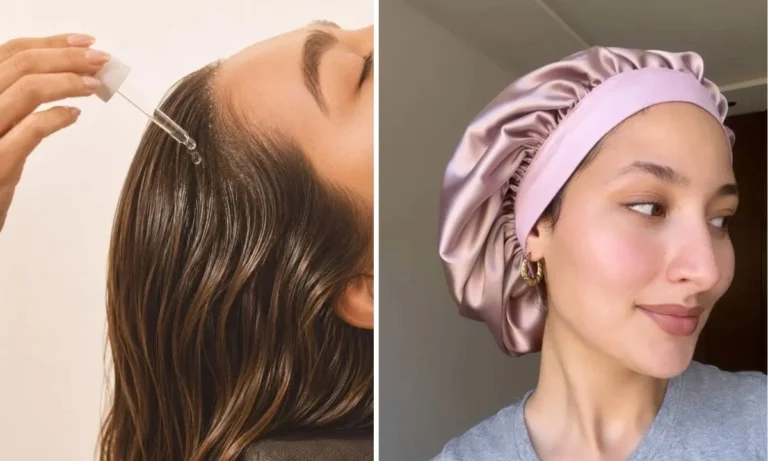
How to Fix Bleach Damaged Hair in 9 Steps
Bleach does not warn you before it breaks your hair. One day it feels fine, and a few washes later you are pulling clumps out of the shower drain and wondering what happened. If you are trying to fix bleach damaged hair right now, the internet is full of advice that either costs a fortune or does nothing at all.
Here is the honest part. Some damage is fixable with the right routine, and some damage just needs to grow out. The trick is knowing which is which, and building habits that actually rebuild strength instead of just making your hair feel smooth for a day.
This is not a list of expensive salon treatments you will try once and forget. These are nine specific steps, in the order that actually helps, so your hair gets stronger instead of just prettier for a photo. Some steps take five minutes. Others need a slow, patient month. Both matter.
1. Start Here: The Real First Step to Fix Bleach-Damaged Hair
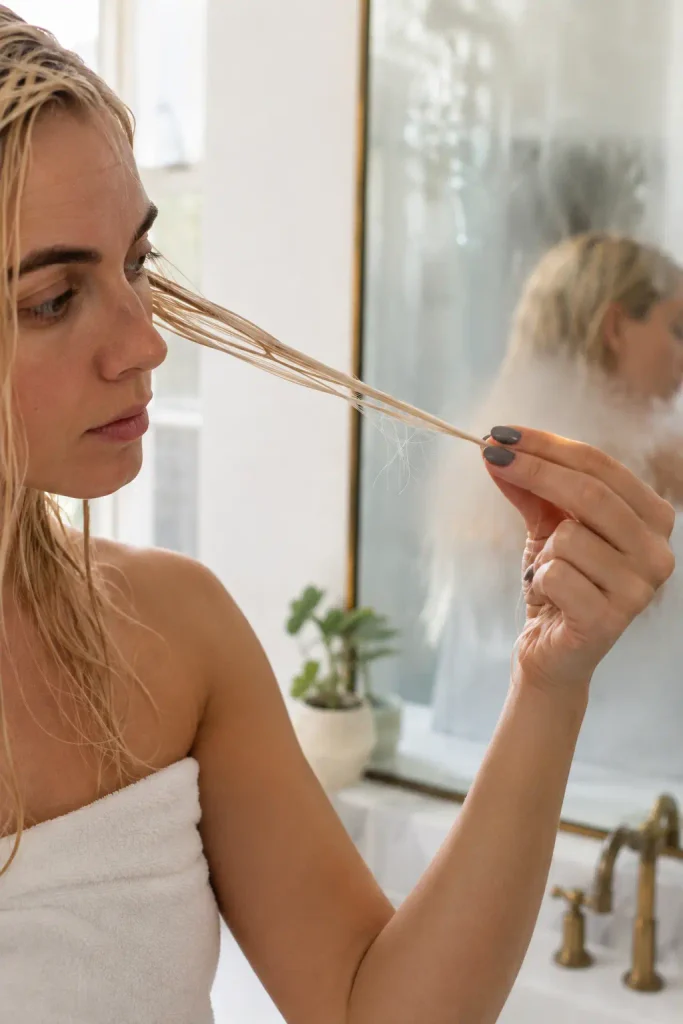
Most people skip this step and just buy a treatment. Before you spend a cent, you need to know what you are actually dealing with. Bleach damage is not one single thing. Sometimes it is dryness that responds fast to moisture. Sometimes the hair shaft itself has broken down and no product will glue it back together.
Run your fingers through a strand when it is wet. If it stretches and springs back, you have moisture damage. If it stretches and stays stretched, or snaps, that is structural damage, and it needs a different plan entirely.
Signs your hair needs real repair
2. Reach for a Bond Repair Treatment Before Anything Else
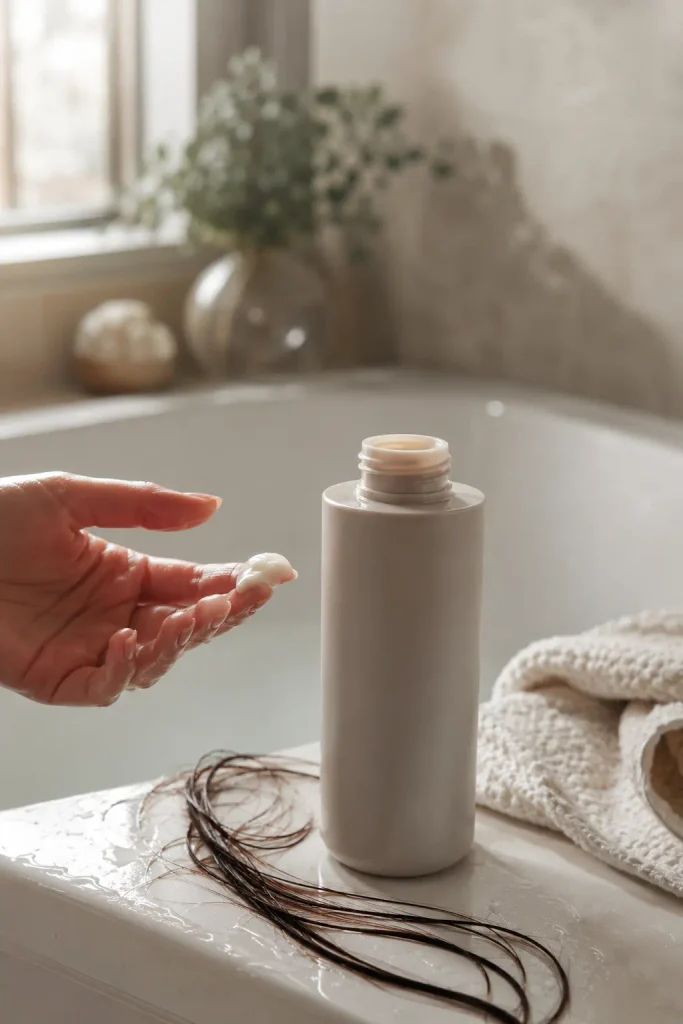
A bond repair treatment rebuilds the inside of the hair strand instead of just coating the outside. Regular conditioner smooths the surface. Bond repair targets the disulfide bonds that bleach breaks apart, which is why hair snaps in the first place.
How to use it without wasting product:
- Wash with a clarifying shampoo first so the treatment can actually absorb.
- Apply to soaking wet hair and leave it on for the full time listed on the bottle.
- Rinse with cool water, never hot.
Skipping the full processing time is the most common mistake, and it cuts the results by more than half.
Strands feel gummy when wet and snap under light tension.
Hair feels bouncy again and holds gentle stretching before it snaps.
3. Learn the Difference Between Protein Damage and Moisture Damage
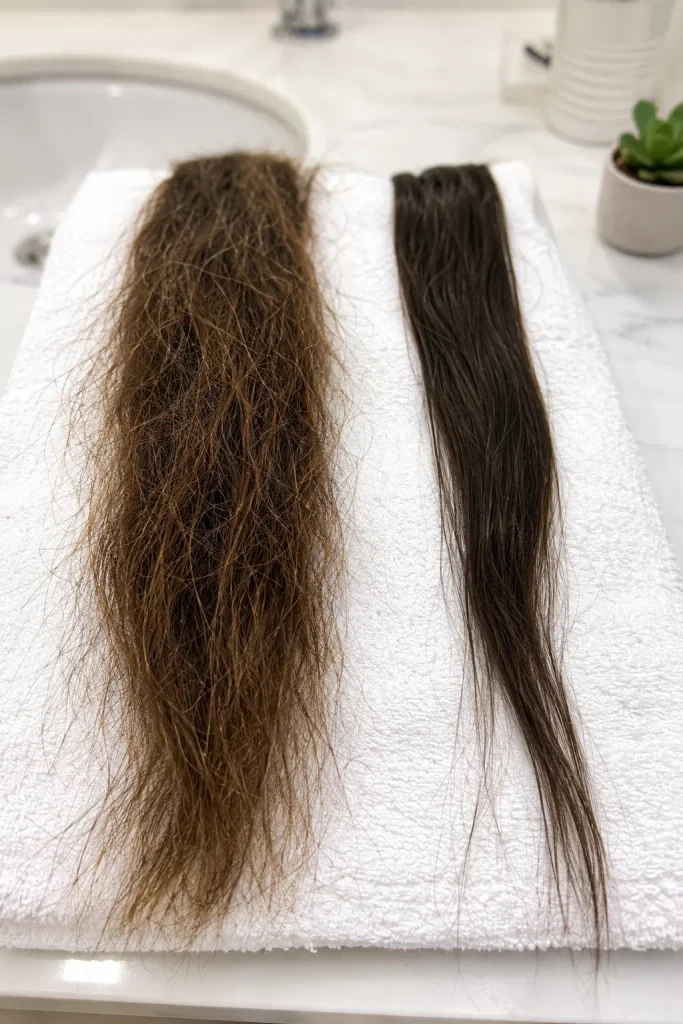
More protein does not always mean stronger hair, especially once bleach has already stripped so much away. Too much protein makes fragile strands feel stiff and straw like, and they snap even easier. Too much moisture without protein leaves hair limp, mushy, and prone to stretching until it breaks.
Read your hair each wash and adjust from there instead of sticking to one product forever.
| Too Much Protein | Too Much Moisture |
|---|---|
| Feels stiff and straw like | Feels limp and mushy |
| Snaps with almost no stretch | Stretches a lot, then snaps |
4. Trim the Breakage Before It Travels Up the Shaft
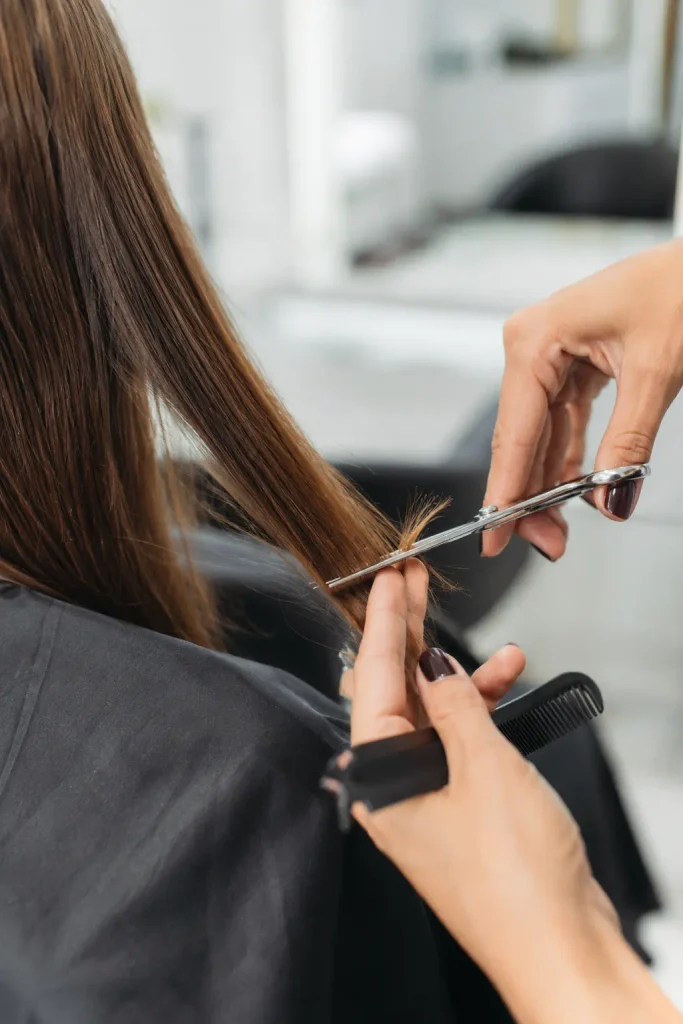
Split ends do not stay put. Left alone, a single split will travel up the hair shaft and turn one weak inch into three. A small trim now saves length later, even though it feels backwards when you are trying to grow your hair out.
You do not need a full haircut. Ask your stylist for a dusting trim, which removes a quarter inch or less and targets only the damaged ends. Do this every 8 to 10 weeks while you are in repair mode, then space it out once your ends feel solid again.
Ask for a dusting trim, a quarter inch or less.
Trim every 8 to 10 weeks during repair mode.
Waiting until ends feel rough or ratty.
Cutting several blunt inches off all at once.
5. Switch to Cool Water and a Sulfate Free Shampoo

Hot water feels amazing after a long day, and it is quietly working against you. Heat opens the hair cuticle, which lets moisture and color escape faster, and bleached hair has almost no cuticle left to protect it in the first place.
Rinse with lukewarm to cool water instead, especially on the last rinse. Pair it with a sulfate free shampoo so you are not stripping the little natural oil your scalp produces. Your hair will not feel squeaky clean anymore, and that is actually the point.
💡 Quick Tip
Finish every wash with a cool rinse, even in winter. Ten seconds is enough to help seal the cuticle before you towel dry.
6. Give Your Hair a Real Deep Conditioning Mask, Not a Rinse and Go

A deep conditioning mask that sits on your hair for ninety seconds is not doing much. Real repair needs time, because the ingredients have to work their way past the damaged cuticle and into the strand itself.
Apply the mask to damp hair, cover it with a shower cap, and wrap a warm towel around your head for at least twenty minutes. The warmth helps the cuticle stay open a little longer so the treatment can actually sink in instead of sitting on top.
Twice a week is plenty. More than that can leave hair feeling heavy and weighed down instead of stronger.
7. Build a Heat Protectant Routine You’ll Actually Stick To

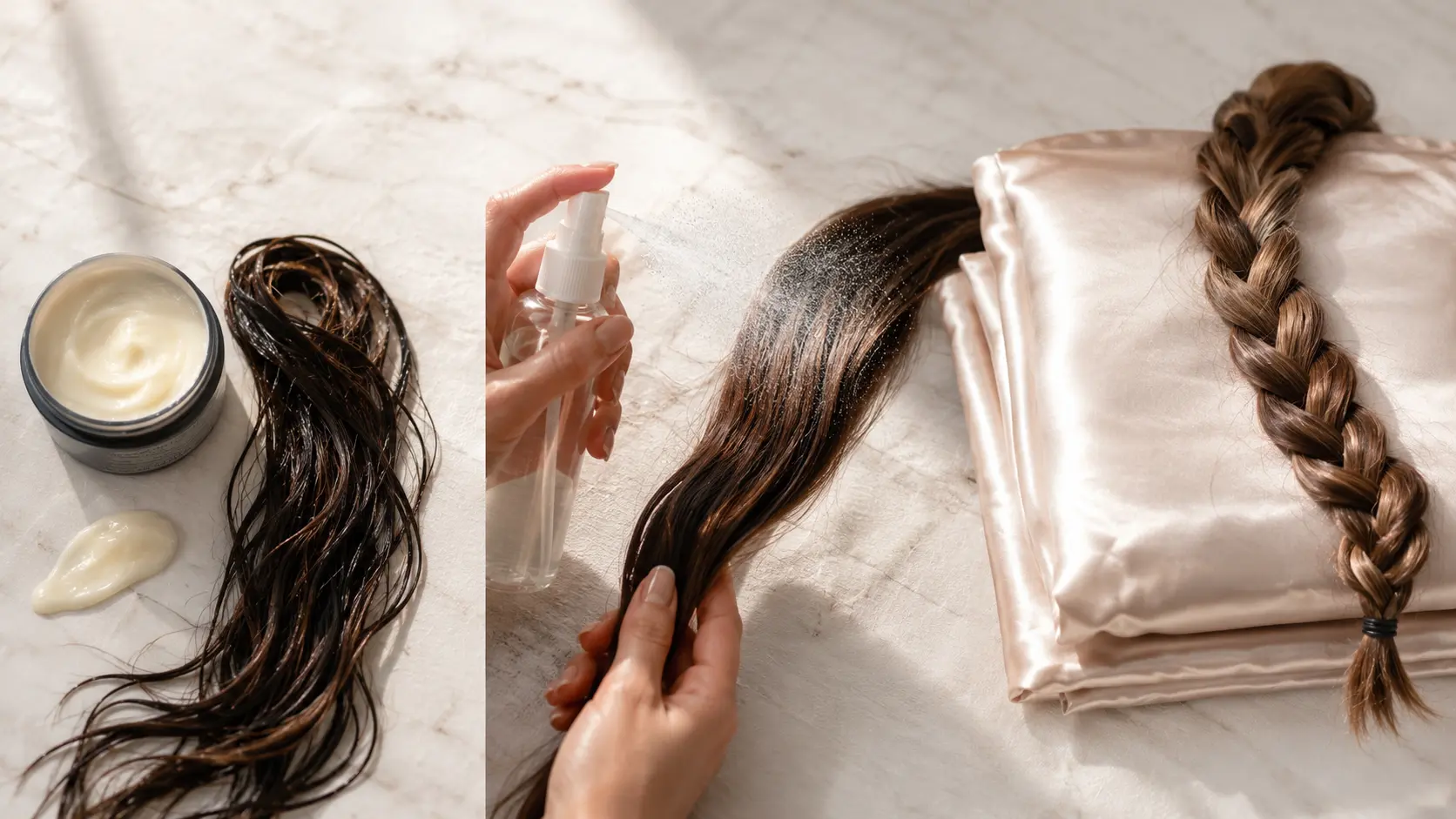
Apply heat protectant to damp hair before you pick up a blow dryer, flat iron, or curling wand, every time, no exceptions. Skipping it even once on already bleached hair can undo weeks of repair work in a single styling session.
The routine only takes a minute if you keep it simple:
- Spray or apply cream evenly through damp mid-lengths and ends first.
- Comb through gently so it is not just sitting on the surface.
- Let hair air dry partway before using any hot tool.
Lower heat settings help too. Most bleached hair does not need anything above 350 degrees to style well.
Apply protectant evenly through damp mid-lengths and ends.
Comb through so it coats every strand, not just the surface.
Let hair air dry partway before switching on any hot tool.
8. Add a Daily Leave In Routine to Shield New Growth

New hair growing in near your scalp is not damaged yet, and keeping it that way is a lot easier than repairing it later. People often skip leave-in products near the roots because they worry about grease, but the roots barely need anything. It is the mid-lengths and ends carrying the old bleach damage that need daily attention.
Work a leave-in cream through damp mid-lengths, then seal the ends with a small amount of oil or serum once hair is mostly dry. That layering matters more than the specific brand you use.
9. Protect Your Progress Overnight With Silk and Loose Braids

A cotton pillowcase quietly undoes a lot of the work you did that day. Cotton grabs at hair while you sleep, and all that friction roughs up a cuticle that is already thin from bleach. Come morning, you find extra strands on the pillow and wonder where they came from.
Swap in a silk or satin pillowcase, or wrap hair in a silk scarf before bed. A loose, low braid helps too, since it keeps strands from tangling against each other for eight hours straight.
This one costs almost nothing and takes less effort than anything else on this list.
- ▸Switch to a silk or satin pillowcase.
- ▸Braid hair loosely before bed, never tight.
- ▸Skip elastics with metal parts that can snag.
Conclusion
Fixing bleach damaged hair is not about finding one miracle product. It is the small habits stacking up together, the cool rinses, the patient masks, the silk pillowcase you actually remember to use. Some of this hair will fully bounce back. Some of it just needs time and a trim while healthier growth comes in underneath, and that is a normal part of the process too.
Give yourself a few weeks before judging results. Hair repair is slow work, and the strands that feel strongest a month from now started with the steps you take today.
Save this list for the next time you are standing in the shower wondering where to even start.
Consistency repairs bleached hair faster than any single product ever will.