15 Reasons Your Curls Look Great Wet But Fall Flat When Dry
Wet curls look incredible. Then they dry, and something goes missing. That gap between the reflection you loved right out of the shower and the flatter, less defined hair staring back an hour later is one of the most common complaints among curly girls, and it is rarely about having a bad curl pattern.
Most advice stops at “use better products,” which is not wrong, but it skips over what actually happens to a curl between wet and dry. Why your curls look great wet but fall flat when dry usually comes down to a handful of small, fixable habits: how much product you used, when you touched your hair, how you dried it, and whether your curls had what they needed to hold shape once the water left.
None of these fixes are complicated. Most take one wash day to test. Below are 15 specific reasons your curls might be falling flat between wet and dry, and exactly what to do about each one.
1. You’re Scrunching Out the Crunch Too Soon
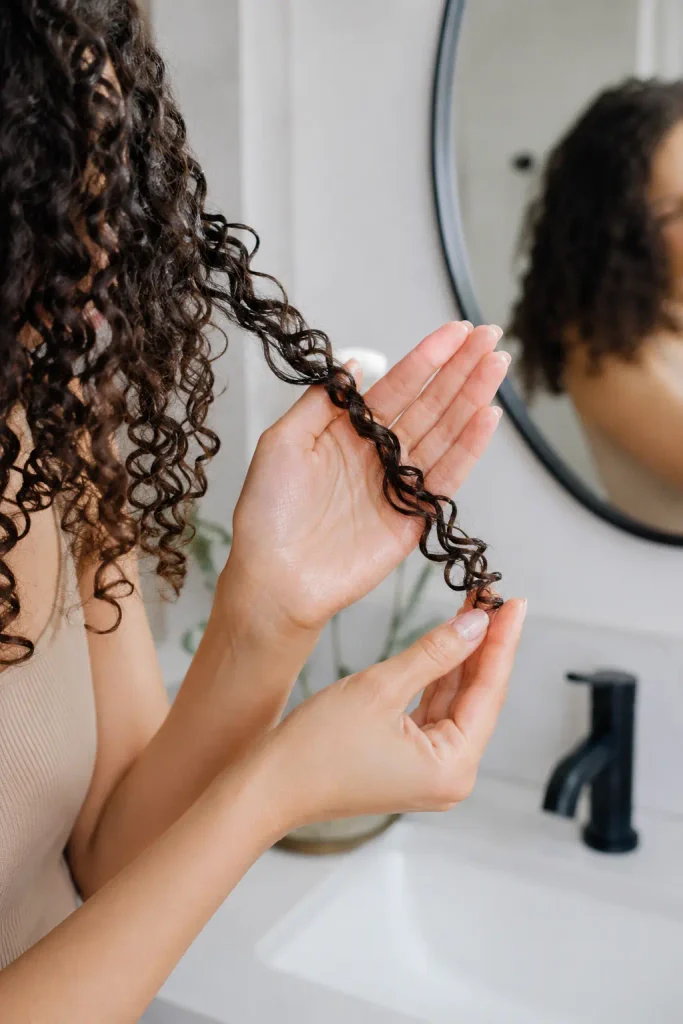
The number one reason curls that looked amazing wet turn frizzy and flat by the time they dry is timing, not product. Scrunching out the crunch while your hair is even slightly damp breaks the gel cast before it has finished holding your curl pattern in place. That stiff, crunchy feeling is not a flaw, it is the gel doing its job while the inside of the strand finishes drying.
Quick check before you touch your curls:
- Hair feels bone dry, not just dry on the outside
- No cool or spongy feeling when you press a curl
- The cast cracks apart easily instead of smearing
⚠️ Watch Out
Scrunching while curls are even a little damp collapses the cast and brings back the frizz you just spent twenty minutes styling away.
2. You Applied Product to the Wrong Wetness Level
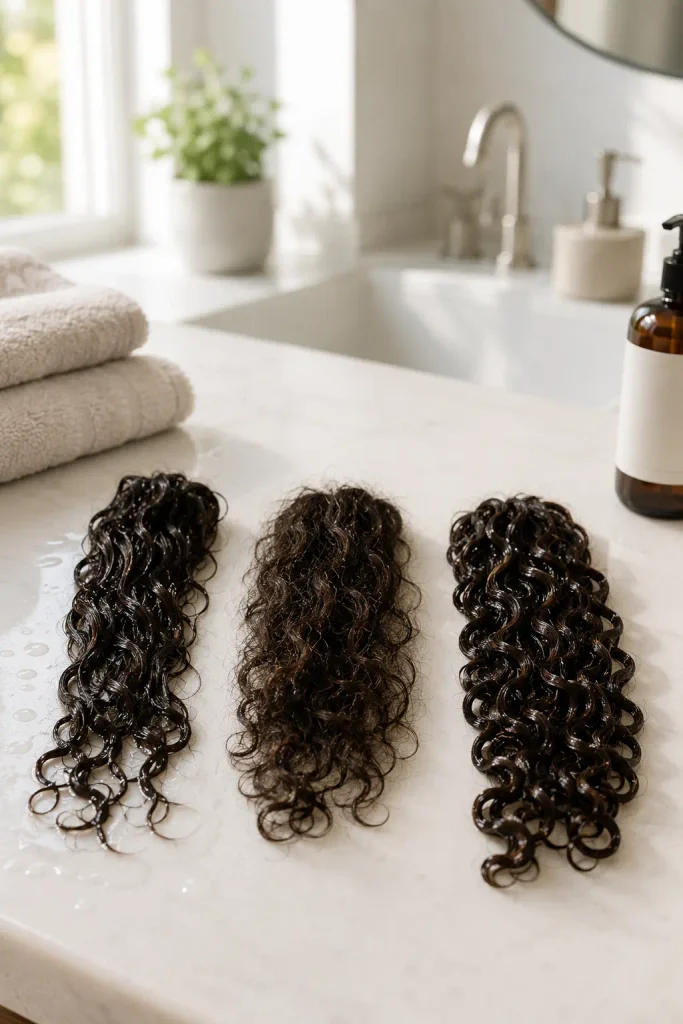
Match how much product you use to how wet your curls actually are, not to a rule you read once and now follow every wash day. Curls absorb product differently depending on how much water is still in the strand. Apply too early and product slides right off. Apply too late and it just sits on the surface instead of sinking in, which is why curls can look great in the shower and fall apart an hour later.
How to find your sweet spot:
- Try one wash at soaking wet, one at dripping, one towel dried
- Note which stage holds a curl the longest without weighing hair down
- Stick with that stage as your default
3. Your Gel Doesn’t Have Enough Hold for Your Curl Type
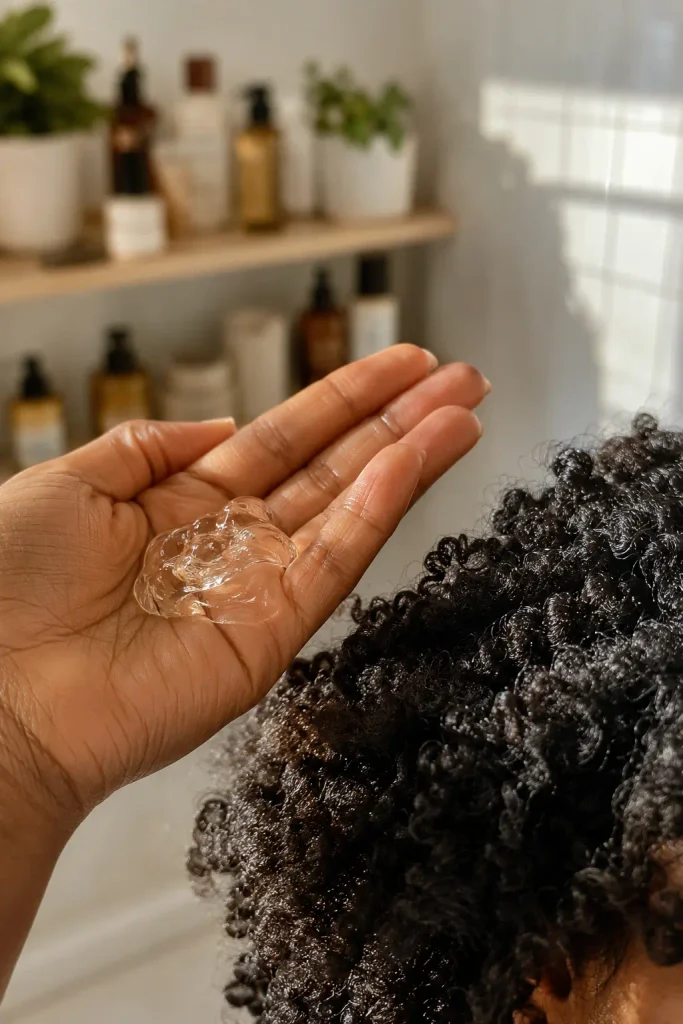
A gel that says strong hold on the label does not automatically mean it is strong enough for your curl pattern. Hold needs scale with how tight your curl is and how much it weighs. A loose wave needs far less than a tight coil, and using the wrong strength either weighs curls down before they can form or leaves them without enough support to survive drying.
If your curls look great wet but go straight to flat as they dry, the gel might be under matched to your hair, not doing anything wrong on its own. Look at your curl pattern first, then shop for hold strength, not the other way around.
| Curl Pattern | Hold Level to Look For |
|---|---|
| Loose waves, type 2 | Light to medium hold, gel cream or light gel |
| Curls, type 3 | Medium to strong hold gel with a real cast |
| Coils, type 4 | Strong hold, often layered under a butter or cream |
4. You’re Skipping the Finger Coiling Step
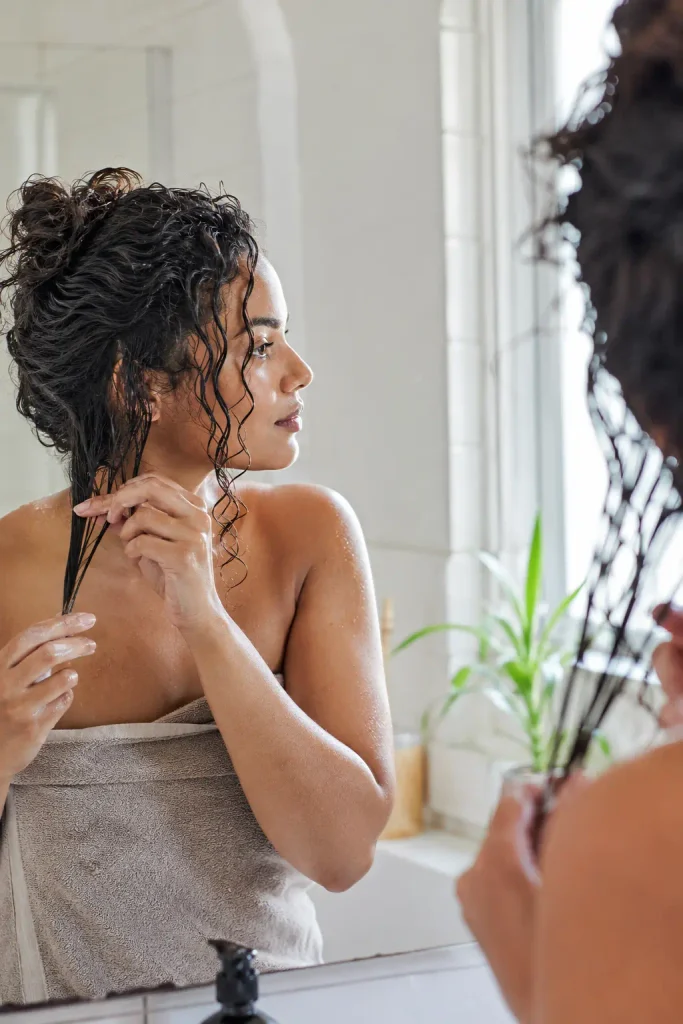
Curls that dry the same size and shape from root to end almost always trace back to one step, finger coiling each section before it starts to dry. Product alone does not always find or hold a curl’s natural shape, especially in spots where two curls merge or a section dries flatter than the rest.
- Take small sections right after applying product
- Wrap each section around one or two fingers, following its natural curl direction
- Hold for a second, then release and move on
It adds a few minutes to your routine, but it is the difference between curls that clump randomly and curls that read as one pattern once dry.
Curls clump together in random sizes, some sections dry stringy while others merge into one big piece.
Each section dries as its own defined ringlet, similar size and shape from root to end.
5. You Never Clip Your Roots While Curls Dry
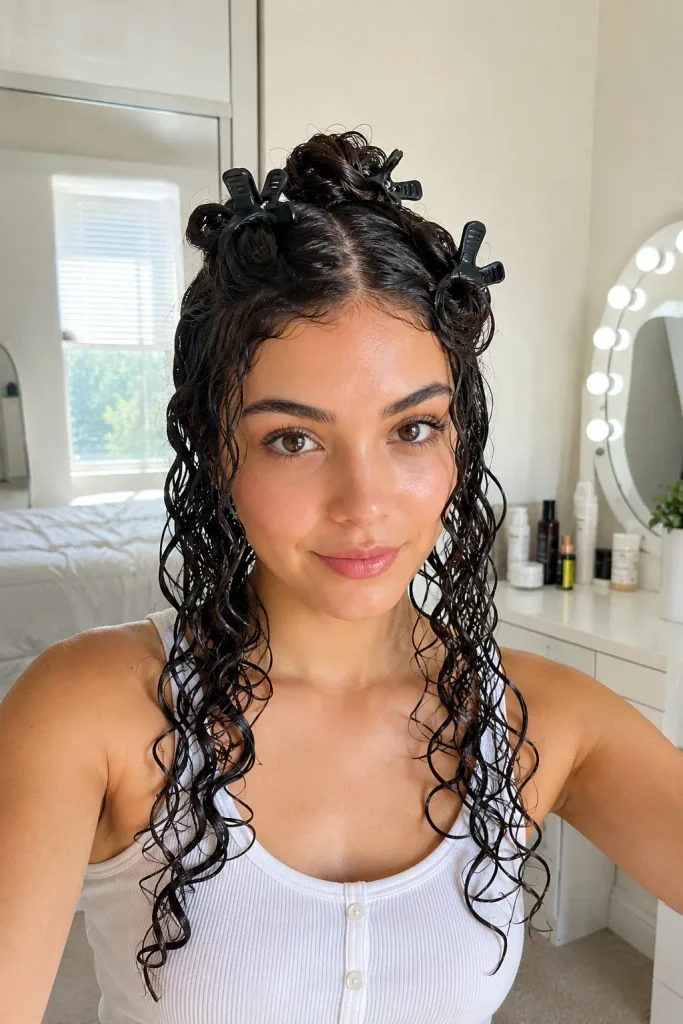
Simple rule: flat roots wet almost always mean flat roots dry, unless you give them lift while curls are setting. Once your hair dries in a shape, it holds that shape until the next wash, so a flat root at hour one is a flat root for the rest of the week.
Root clips lift sections up and away from your head while product sets, so hair dries with volume built in instead of lying flat against your scalp. It takes about two extra minutes and works with almost any drying method, diffusing, air drying, or plopping.
Check that clips are not pressed so hard they leave a crease. A light hold is all you need.
Root clipping, step by step
6. You’re Using a Towel Instead of a Microfiber Cloth or T-Shirt to Dry
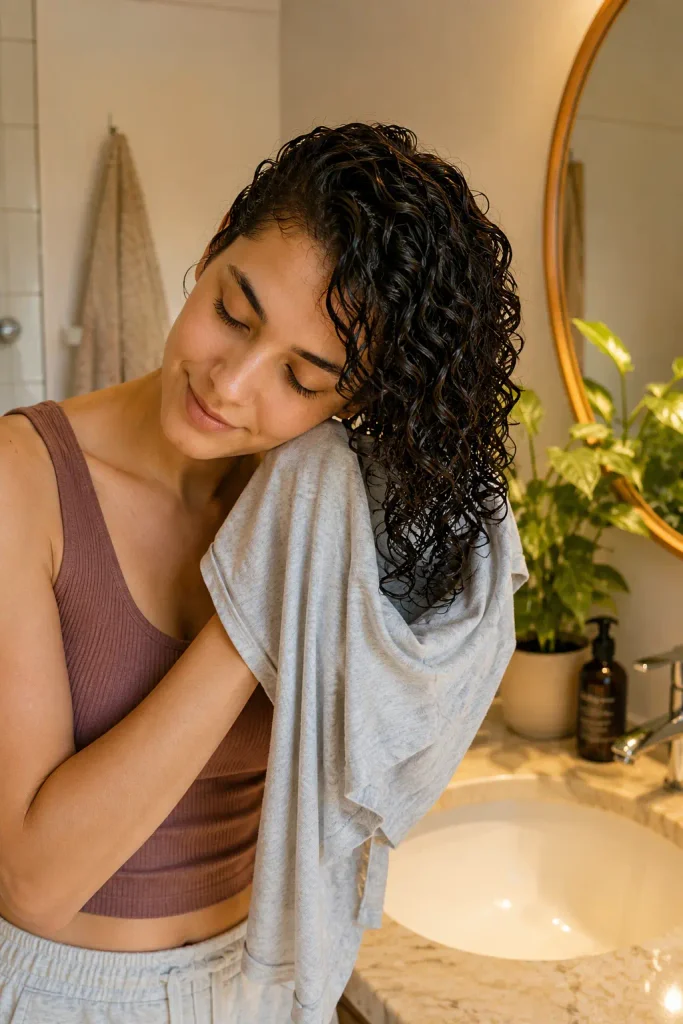
Regular bath towels rough up the cuticle with friction, and that texture is exactly what turns soft curl clumps into a frizzy halo. Every rub against a towel loop separates strands that took real effort to define.
A microfiber towel or an old cotton t-shirt dries hair with far less friction, which keeps clumps together and speeds things up.
- Press, don’t rub, working from roots to ends
- Squeeze gently in sections instead of all at once
- Plop with the t-shirt for 10 to 15 minutes before diffusing
Keep a dedicated t-shirt in your bathroom so you’re not hunting for one on wash day.
Squeeze water out with a microfiber towel or cotton t-shirt.
Plop curls for 10 to 15 minutes before diffusing.
Rubbing hair dry with a regular bath towel.
Twisting soaking wet hair tightly to wring it out.
7. Your Diffuser Technique Is Working Against Your Curls
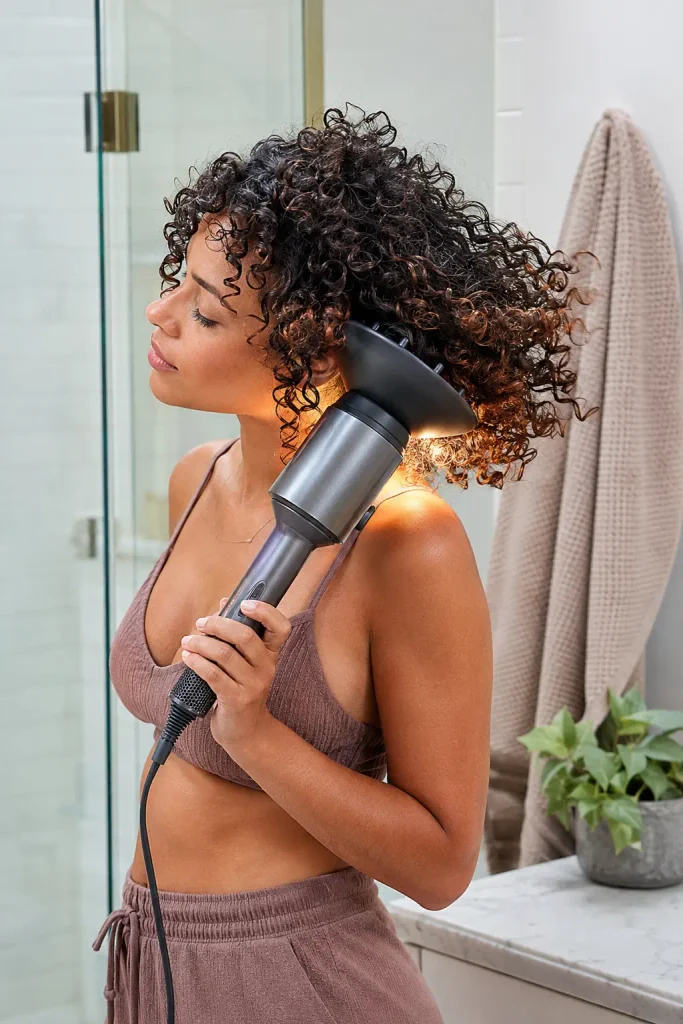
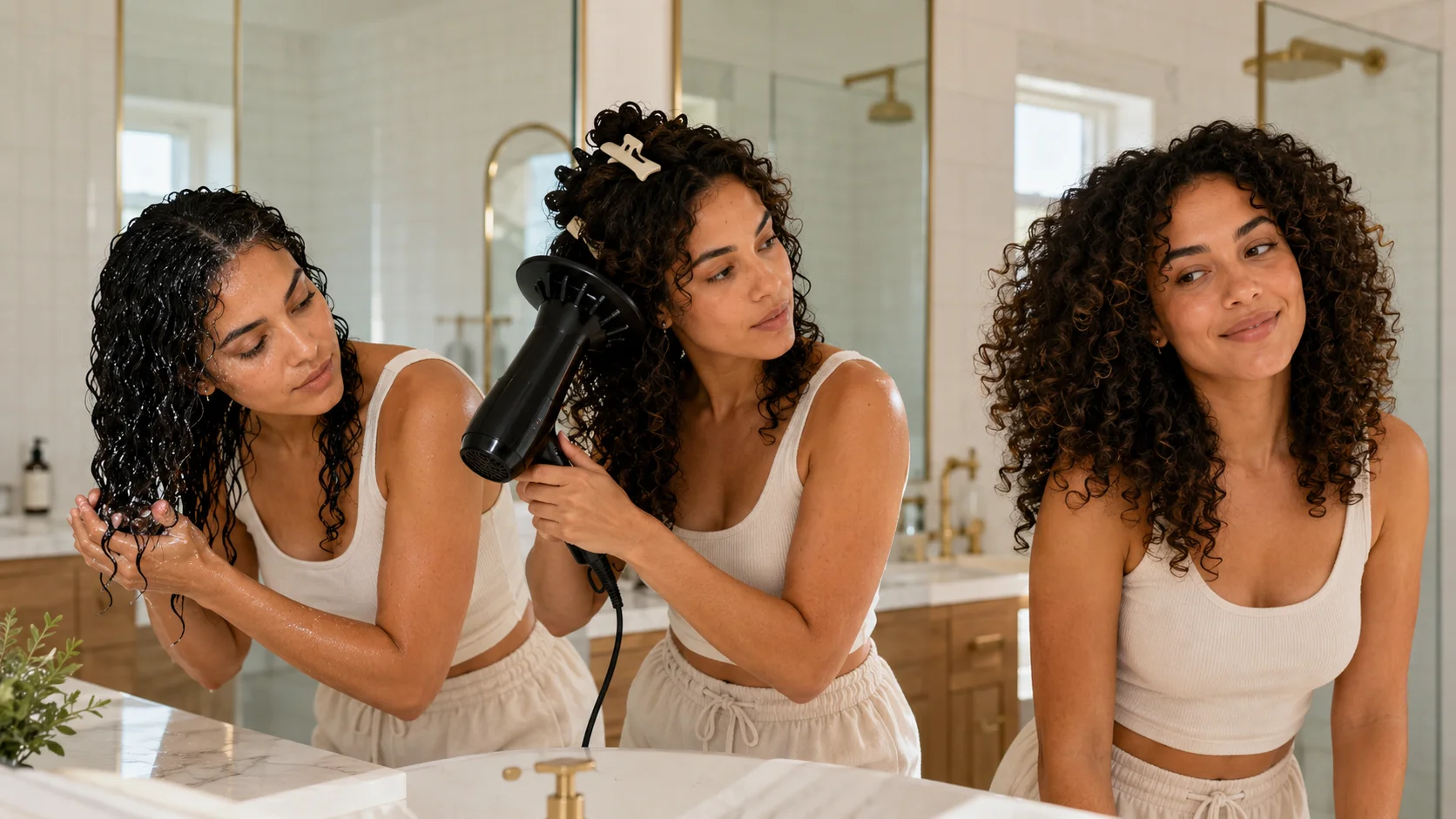
Hold the diffuser too far from your head and heat scatters instead of concentrating on your roots, which is often why curls that felt bouncy under the dryer settle flat once they’re fully cool. Distance and motion matter more than heat setting.
Try this order instead:
Cup sections of curls into the diffuser bowl and hold it close to the scalp.
Gently press upward toward the scalp instead of swirling or shaking the diffuser around.
Finish on a cool shot setting once hair is around 80 percent dry to lock the shape in place.
Do this consistently and roots hold lift long after the rest of your hair has dried.
8. You’re Overloading Fine or Low Density Curls With Product
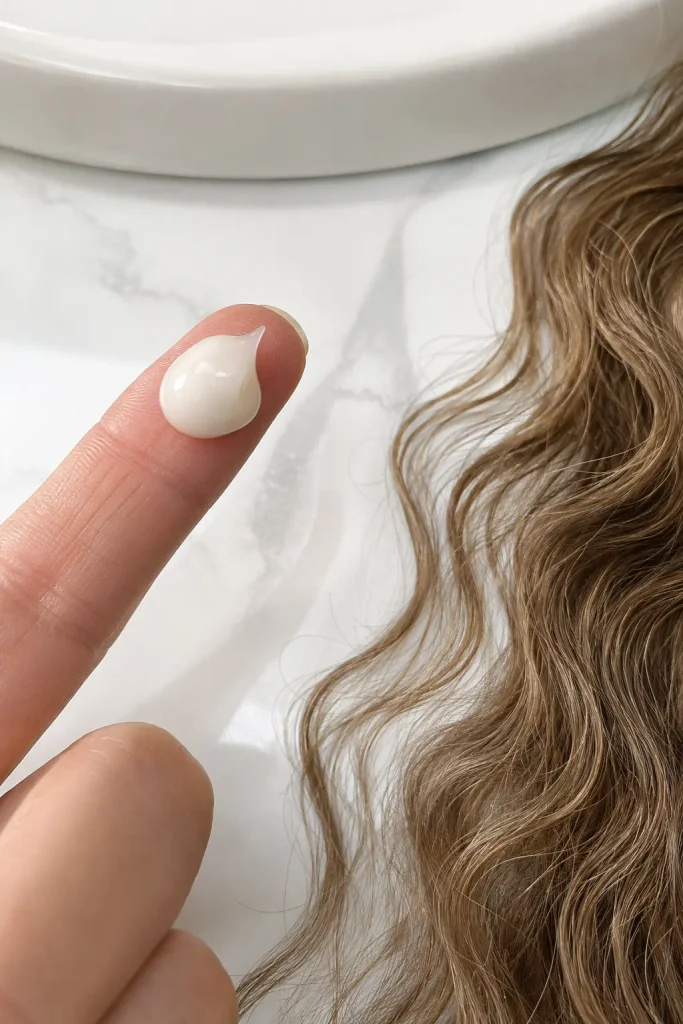
Fine, low density curls hold shape best with the least amount of product you can get away with, not the most. Extra gel and cream add weight, and weight is what drags a curl straight before it ever gets the chance to dry.
If your curls spring beautifully wet but sink by the afternoon, try cutting your usual product amount by a third. Apply in thin layers instead of one heavy coat, and skip the extra cream on top of gel unless your ends genuinely feel dry.
For fine, low density curls, less product almost always means more curl by the time hair is dry.
Best for anyone whose curls feel weighed down or greasy looking hours after styling, even with lightweight products.
9. Your High Porosity Curls Need a Heavier Product Layer
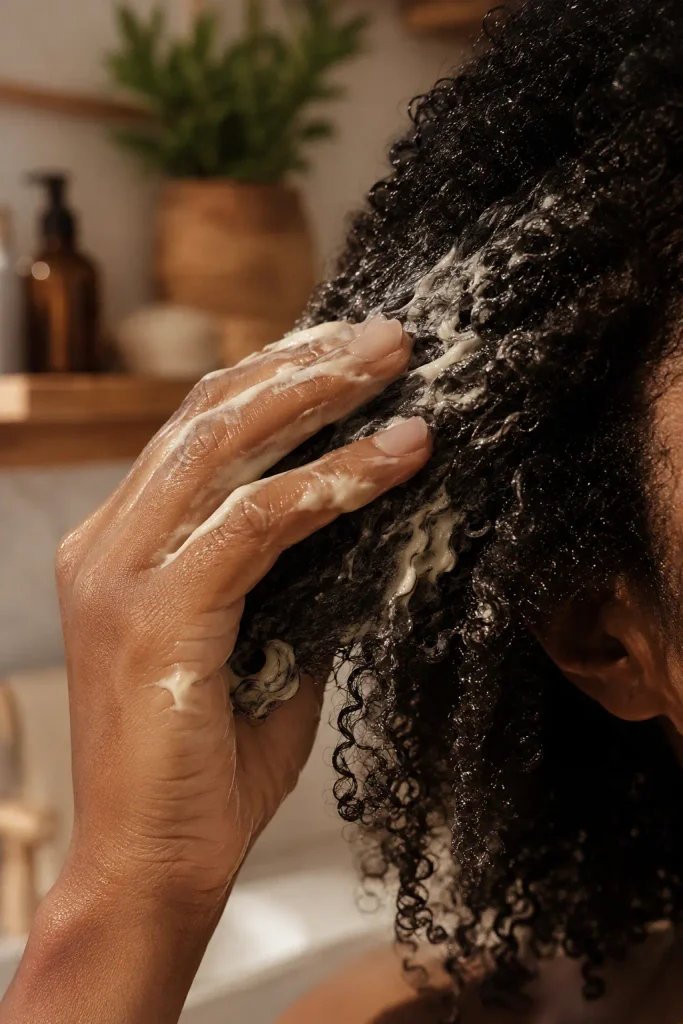
Curls that look shiny and defined right out of the shower but turn dull and stringy by the time they dry are often high porosity, losing moisture faster than the product can hold it in place. The cuticle is more open, so water and product both escape quickly.
Watch for these signs on wash day:
- Hair feels dry to the touch within an hour of styling
- Curls lose their spring and look stringy instead of coiled
- Products seem to absorb almost instantly, leaving no slip
- ▸Layer a leave-in, then a cream, then a gel, sealing moisture in with each step.
- ▸Look for heavier butters or oils near the end of your routine, not the start.
- ▸Reapply a light mist of leave-in to sections that dry out mid style.
Skip this layering and expect the same flat, thirsty looking curls every single wash.
10. You Skipped the Leave-In Before Your Styler
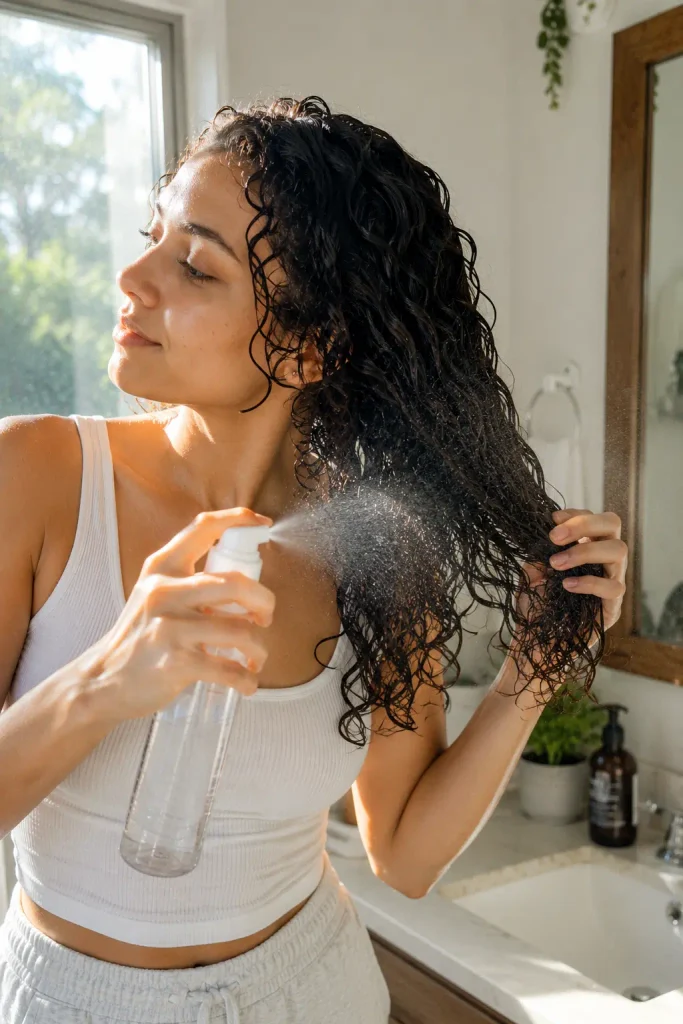
A styling gel needs something to grip, and a leave-in conditioner is what gives it that grip. Without it, gel slides around on damp hair instead of locking curls into place, which is why the shape can feel secure in the shower and loosen the moment hair dries.
11. You Added Oil Over Gel Before the Cast Set
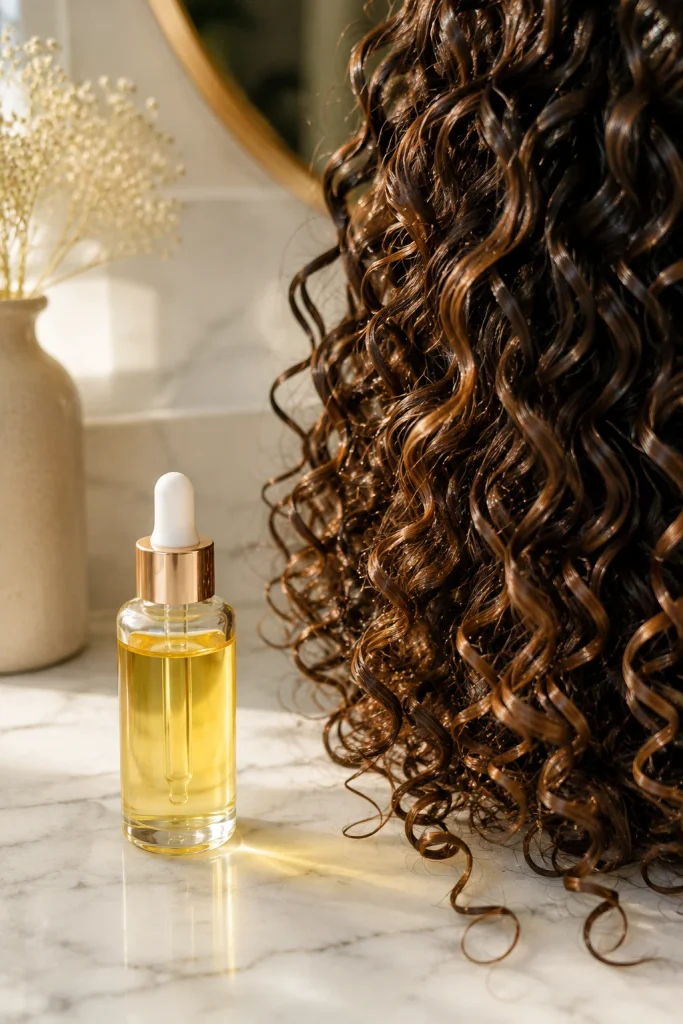
Sealing with oil feels like a smart final step, but do it too early and the oil can break down your gel cast before it has finished drying. That crunch you built starts to slide right back into softness, and soft too soon means flat once fully dry.
Wait until curls are completely dry before reaching for an oil to smooth frizz or add shine. Rub a small amount between your palms first, then scrunch it in lightly rather than pouring it directly onto damp hair.
⚠️ Watch Out
Oil applied before the gel cast fully sets can undo an hour of styling in seconds. Save it for after your hair is bone dry.
12. Your Curls Have a Protein-Moisture Imbalance
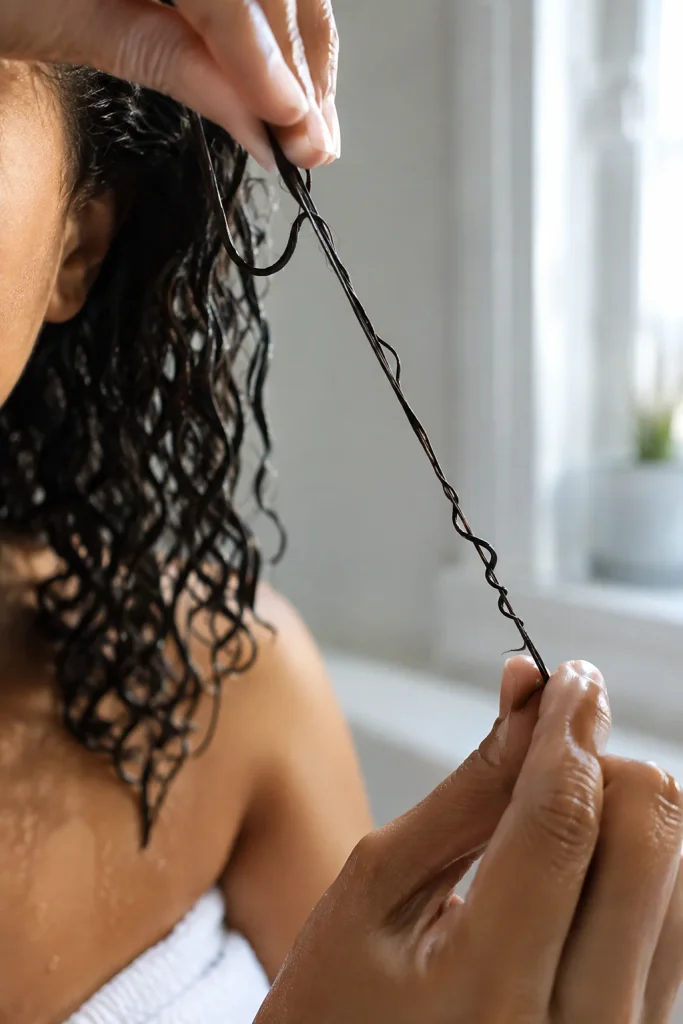
Curls that feel stretchy and gummy when wet, then dry limp with no bounce, are often telling you they need protein, not more conditioner. Too much moisture without enough protein leaves the strand soft but structurally weak, so it can’t hold a curl shape once the water evaporates.
The opposite problem also happens. Too much protein and not enough moisture makes curls feel stiff wet and brittle dry, snapping instead of coiling.
Hair feels mushy or stretchy when wet.
Curls lose shape fast and dry limp.
Hair feels stiff or straw like wet.
Curls feel dry and brittle once dry.
Best figured out with one wash day at a time. Change one variable, watch how it dries, and adjust from there.
13. Humidity Is Undoing Your Curl Pattern As It Dries
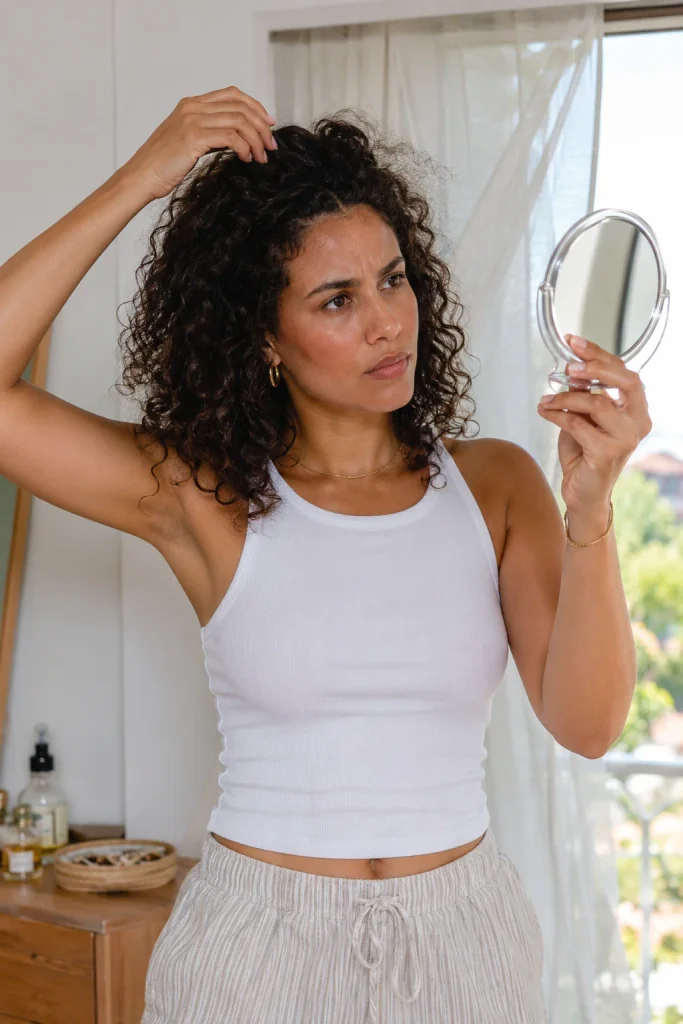
Here’s a truth most curl advice skips: even a great gel has limits once humidity climbs high enough. Moisture in the air keeps sneaking back into your strand as it dries, swelling the cuticle and softening the very hold you just built.
On especially damp or muggy days, your usual routine might need reinforcing rather than replacing entirely.
| Humidity Level | What to Adjust |
|---|---|
| Low, dry air | Usual routine, maybe add a touch more leave-in |
| Moderate | Add an anti-humidity cream layer over gel |
| High, muggy | Go stronger hold gel, skip extra oils on top |
14. You Keep Touching Your Curls While They Air Dry

Every time you check on your curls before they’re done drying, you’re pressing the shape out of the sections you just touched. Hands transfer oil and warmth, both of which soften a gel cast that’s still setting.
- Style, then walk away completely for at least an hour
- Keep hands, hats, and hair ties off freshly styled curls until fully dry
- Resist the urge to “fluff” anything while damp
Constant checking and touching flattens curls into random, uneven sections by the time hair is dry.
Hands-off drying preserves the shape you styled, curls stay consistent from root to end.
Best for anyone who catches themselves scrunching “just once more” between styling and fully dry.
15. You’re Not Protecting Your Curls Overnight

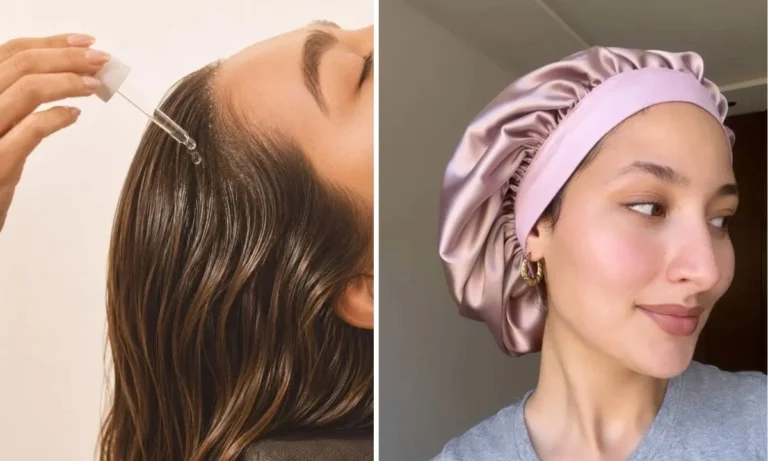
A great wash day can be undone by one night on a regular pillowcase. Cotton pulls moisture out of hair and creates friction while you sleep, which is often why curls that looked full the night before feel flatter and frizzier by morning.
Nighttime curl checklist
Conclusion
Why your curls look great wet but fall flat when dry usually isn’t one big mistake, it’s a handful of small habits stacking up between the shower and the final result. Timing, product amount, drying technique, and what happens to your hair while it sleeps all play a part.
You don’t need to fix all fifteen at once. Pick two or three that sound familiar, test them on your next wash day, and pay attention to what changes. Curls hold their best shape when they’re given what they actually need, not more product or more steps, just the right ones in the right order.
Curls that look great wet and stay great dry come down to timing and technique, not buying more products.
Save this list for the next time your curls look perfect in the shower and something different by the time you’re out the door.